
The sequelae of liposuction weight loss mainly include local unevenness, abnormal skin sensation, hematoma and serum swelling, infection, and fat embolism. Liposuction is a surgical procedure that uses negative pressure suction or ultrasound to extract subcutaneous fat, and must be performed under the guidance of a professional doctor.
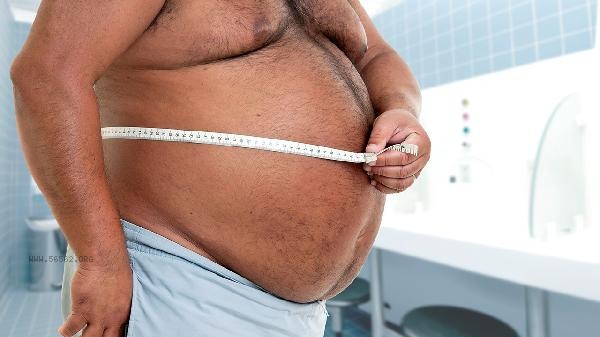
1. Local unevenness
After liposuction, uneven operation or excessive fat suction may lead to uneven skin surface. This situation is often related to the doctor's lack of technical experience or improper postoperative pressure bandaging. Mild unevenness can be improved through massage or autologous fat transplantation, while severe cases require secondary surgery for repair.
2. Abnormal skin sensation
The liposuction area may experience temporary numbness, tingling, or allergic nerve sensory abnormalities. This is due to damage to the subcutaneous nerve endings during the surgical process, and most of them gradually recover within 3-6 months. For those who persist, the possibility of permanent nerve damage should be ruled out.
3. Hematoma and Serum Swelling
Postoperative capillary rupture may form a hematoma, while lymphatic fluid accumulation can lead to serum swelling. Manifesting as local swelling, hardening, or wave like sensation. Mild hematomas can be absorbed on their own, while larger hematomas require puncture and drainage. In severe cases, incision, drainage, and pressure bandaging are necessary.
4. Infection
Improper care of surgical wounds may lead to bacterial infections, resulting in redness, swelling, heat pain, and even suppuration. Patients with incomplete preoperative disinfection, postoperative dressing contamination, or weakened immunity are at higher risk. Antibiotics such as cefaclor capsules and levofloxacin tablets should be used promptly to control infections.
5. Fat embolism
is a rare but serious complication caused by fat particles entering blood vessels and blocking the supply of blood to important organs. May experience sudden difficulty breathing, blurred consciousness, or even shock. Immediate rescue is required, including oxygen therapy, corticosteroids such as dexamethasone injection, and anticoagulant therapy.
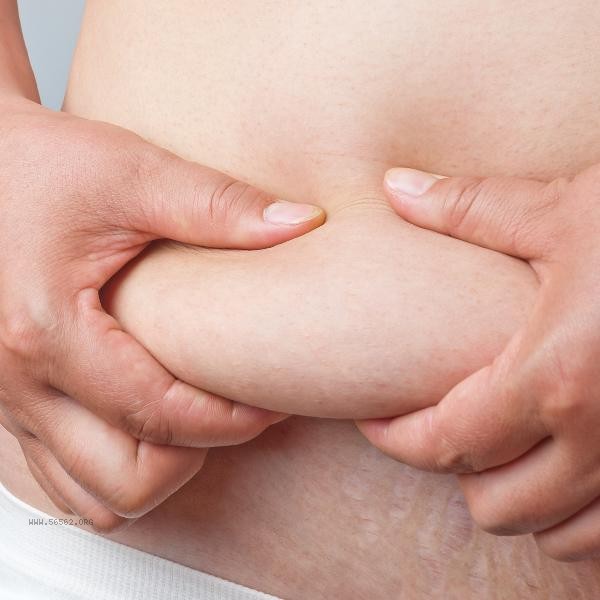
It is recommended to wear shapewear for 3-6 months after surgery to help the skin retract, avoid vigorous exercise to prevent wound rupture, and maintain a light diet rich in high-quality proteins such as fish, shrimp, and lean meat to promote recovery. If there is persistent fever, severe pain in the surgical area, or darkened skin, seek medical attention immediately. Regular follow-up visits should be conducted after liposuction to assess recovery, and excessive liposuction should not be blindly pursued while neglecting safety.








Comments (0)
Leave a Comment
No comments yet
Be the first to share your thoughts!