
Skipping rope for weight loss requires attention to exercise intensity, venue selection, equipment preparation, warm-up stretching, and dietary coordination.
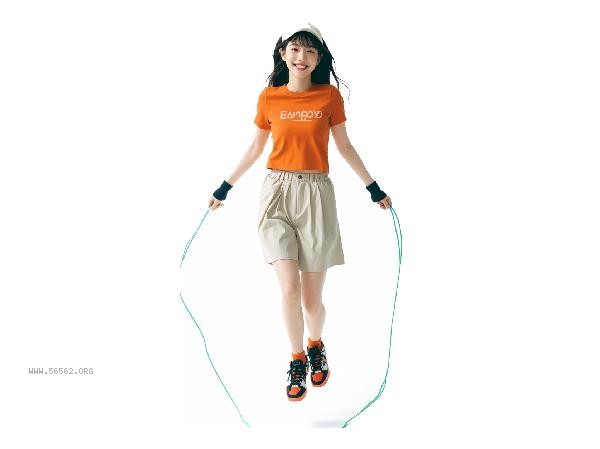
1. Exercise intensity
Skipping rope for weight loss requires gradual control of exercise intensity. Beginners are advised to take a 30 second break after jumping rope for 30-60 seconds each time, repeating 10-15 sets 3-4 times a week. After adaptation, it can gradually increase to continuous skipping rope for 5-10 minutes. For those with a larger weight base, intermittent jumping should be used to avoid excessive knee joint load. It is advisable to maintain a heart rate of 60% -70% of the maximum heart rate during skipping rope, which can be monitored through a sports wristband.
2. Site selection
A flat and cushioned site such as a plastic track, wooden floor, or lawn should be chosen to avoid hard surfaces such as cement or ceramic tiles. Indoor skipping rope should ensure that the vertical space exceeds 2 meters and there are no furniture edges or corners around. Outdoor skipping rope should avoid gravel, slopes, and slippery areas, and outdoor practice should be suspended in windy weather.
3. Equipment Preparation
Choose PVC or steel wire ropes with moderate weight, and the length should be such that the handle reaches the armpit when both feet step on the rope. Wearing high support sports underwear and shock-absorbing running shoes, the sole should have good elasticity. Wear knee pads to protect joints, and use jump rope pads to reduce impact by 20% -30%. Check the rope body for wear and cracking before and after exercise.

4. Warm up and stretching
Before skipping rope, a dynamic warm-up of 5-10 minutes should be performed, such as ankle joint looping, opening and closing jumps, high leg lifts, etc. Focus on activating the triceps, quadriceps, and core muscle groups of the calf. After exercise, it is necessary to statically stretch the soleus muscle, hamstring muscle, and other areas, and maintain each movement for 20-30 seconds. When muscle soreness occurs, ice compress for 10-15 minutes.
5. Dietary coordination
Within 30 minutes after skipping rope, supplement high-quality protein and carbohydrates, such as chicken breast with whole wheat bread. The daily water intake should not be less than 2000 milliliters, and 100-150 milliliters of water should be replenished every 15 minutes during exercise. Avoid skipping rope on an empty stomach or within 1 hour after a meal, and maintain a daily calorie deficit of 300-500 calories during the weight loss period. Skipping rope for weight loss requires long-term persistence, and it is recommended to record weekly changes in waist circumference, body fat percentage, and other data. Stop immediately if discomfort such as joint pain and dizziness occurs during exercise. Combining strength training can increase basal metabolic rate, and adequate sleep can help with muscle repair after exercise. Chronic disease patients should develop personalized plans under the guidance of doctors.









Comments (0)
Leave a Comment
No comments yet
Be the first to share your thoughts!