
The misconceptions of skipping rope for weight loss mainly include excessive pursuit of speed, neglect of warm-up and stretching, posture errors, skipping rope on an empty stomach, and blindly increasing the duration. These misconceptions may lead to sports injuries, poor weight loss results, or physical discomfort.
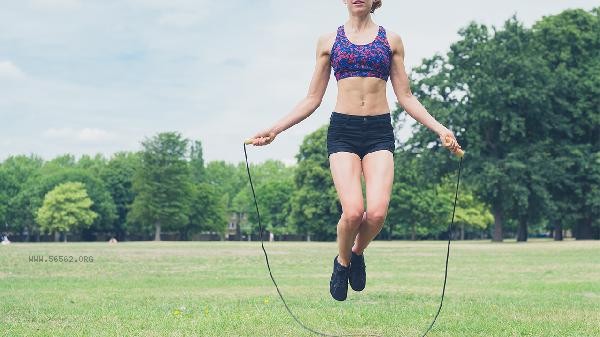
1. Excessive pursuit of speed
Although fast skipping rope consumes more heat, it can easily lead to movement deformation and increased joint pressure. When skipping rope, maintain a stable rhythm at a moderate speed, preferably 120-140 times per minute. Excessive speed may cause ankle sprains or knee wear, which in turn can affect long-term exercise plans.
2. Neglecting warm-up and stretching
Warm up 5-10 minutes before skipping rope can activate muscle groups and reduce the risk of sports injuries. Static stretching after exercise can relieve calf muscle tension and prevent Achilles tendinitis. Directly starting high-intensity skipping rope may cause muscle strain or delayed soreness.
3. Incorrect posture
The correct skipping rope posture is to straighten the waist and back, keep your elbows close to your body, and use your wrists to shake the rope. Common mistakes such as hunchback skipping rope can increase lumbar pressure, and full foot landing can increase knee burden. Long term incorrect posture may cause lumbar muscle strain or meniscus injury.

4. Skipping rope on an empty stomach
Skipping rope on an empty stomach in the morning may induce hypoglycemia, dizziness, fatigue, and other symptoms. It is recommended to consume carbohydrates in moderation, such as half a banana or a slice of whole wheat bread, one hour before exercise. But it is also important to avoid skipping rope immediately after meals, as it may cause gastrointestinal discomfort.
5. Blindly increasing duration
Beginners should start gradually from 5 minutes each time, rather than directly challenging for more than 30 minutes. Sudden extension of exercise time can easily lead to excessive fatigue and actually reduce fat metabolism efficiency. It is recommended to use interval training, with groups completing a total duration of 20-30 minutes.

Skipping rope for weight loss should be accompanied by a scientific diet and sufficient rest, and it is advisable to exercise 3-5 times a week. Choose sports shoes with good cushioning performance and avoid skipping rope on hard surfaces such as cement floors. If you experience persistent joint pain or chest tightness, you should stop exercising in a timely manner and consult a doctor. Reasonable control of exercise intensity and duration is necessary to achieve safe and effective weight loss goals.








Comments (0)
Leave a Comment
No comments yet
Be the first to share your thoughts!