
The main methods of weight loss include controlling diet, increasing exercise, behavioral intervention, medication treatment, surgical treatment, etc. Weight loss requires selecting appropriate methods based on individual physical fitness and health status, and it is recommended to do so under professional guidance.
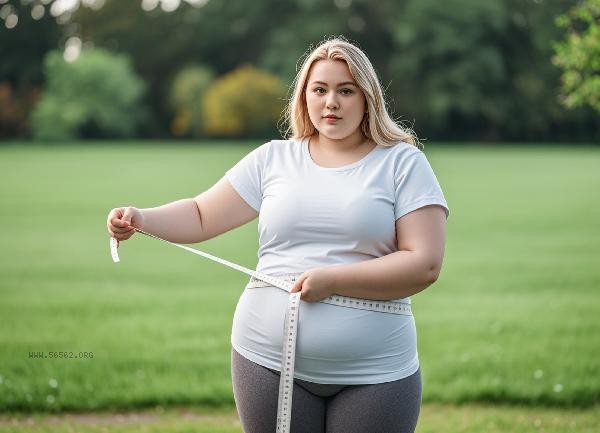
1. Diet Control
Diet control is the fundamental method of weight loss, which helps to reduce body weight by reducing calorie intake. Reduce the intake of high sugar and high-fat foods, increase the intake of vegetables, fruits, whole grains, and high-quality protein. Avoiding overeating and maintaining a regular diet can help maintain a healthy weight. When controlling diet, it is important to pay attention to balanced nutrition and avoid malnutrition caused by excessive dieting.
2. Increase Exercise
Increasing exercise can improve energy expenditure and promote fat burning. Aerobic exercises such as brisk walking, running, swimming, etc. can help reduce body fat, while strength training such as weightlifting, push ups, etc. can increase muscle mass and improve basal metabolic rate. Engaging in a certain intensity of exercise every week, combined with different exercise methods, can achieve better weight loss results. Exercise should be gradual and avoid injuries caused by excessive exercise.
3. Behavioral Intervention
Behavioral intervention helps with weight loss by changing unhealthy lifestyle habits. Record diet and exercise, set reasonable weight loss goals, and avoid emotional eating. Establishing a regular sleep schedule and ensuring adequate sleep can help regulate metabolism and appetite. Behavioral intervention requires long-term persistence and gradual formation of a healthy lifestyle.
4. Drug therapy
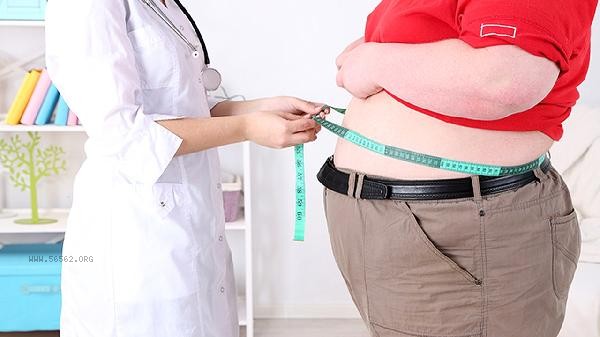
Drug therapy is suitable for obese patients and should be used under the guidance of a doctor. Orlistat capsules can reduce fat absorption, Liraglutide injection can suppress appetite, and Metformin tablets can help improve insulin resistance. Drug therapy should be combined with diet and exercise, and regular monitoring of physical indicators to avoid drug side effects.
5. Surgical treatment
Surgical treatment is suitable for patients with severe obesity or other comorbidities. Gastric sleeve resection can reduce gastric volume and restrict food intake. Gastric bypass surgery can alter the pathway of food digestion and absorption, reducing calorie intake. Surgical treatment requires strict evaluation of indications and risks, and long-term follow-up and lifestyle adjustments are necessary after surgery. Losing weight is a long-term process that requires a combination of diet, exercise, and behavioral adjustments. Avoid blindly pursuing rapid weight loss to avoid affecting health. It is recommended to develop a personalized weight loss plan under the guidance of a professional doctor or nutritionist, and regularly monitor weight and physical indicators. Maintaining a positive attitude and gradually establishing healthy lifestyle habits are necessary to achieve long-term and stable weight loss results.









Comments (0)
Leave a Comment
No comments yet
Be the first to share your thoughts!