
The main ways to make peanuts are boiled peanuts, fried peanuts, vinegar soaked peanuts, peanut butter, and five spice peanuts.
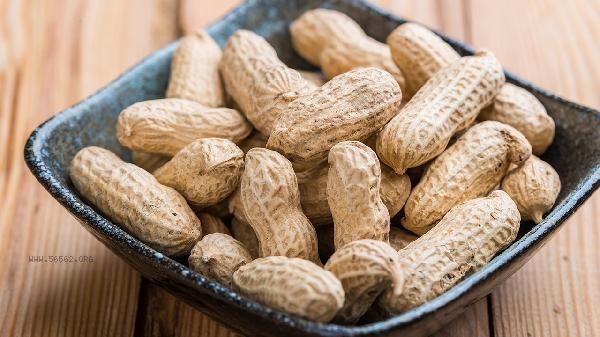
1. Boiled Peanuts
Freshly shelled peanuts are washed and placed in a pot. Water is added to cover the peanuts, and an appropriate amount of salt, star anise, cinnamon, and other spices are added. Bring to a boil over high heat and reduce to low heat for about 20 minutes. After turning off the heat, soak for 2 hours to enhance the flavor. Boiled peanuts can maximize the retention of nutrients and have a soft and glutinous taste, making them suitable as appetizers or snacks. When cooking, vegetables such as diced carrots and celery can be added to increase dietary fiber intake.
2. Fry peanuts
Raw peanuts in cold oil, fry slowly over low heat until the color turns slightly yellow, then remove and control the oil. Sprinkle with fine salt or sugar for seasoning. Fried peanuts are crispy and delicious, but high-temperature cooking can damage some of the nutrients such as vitamin E and have a high fat content. It is recommended to control the amount consumed. It can be paired with beer as a side dish or as an ingredient for cold dishes to enhance the taste.
3. Soaking peanuts in vinegar
Boiled peanuts are soaked in seasonings such as aged vinegar, soy sauce, minced garlic, and spicy millet for 24 hours. Acetic acid can help soften blood vessels and promote mineral absorption. Soaking peanuts in vinegar can stimulate appetite and relieve greasiness, making it suitable for people with high blood pressure to consume in moderation. It is recommended to use red skinned peanuts during production, as they have a higher content of antioxidants. The soaking container should be kept dry and clean.
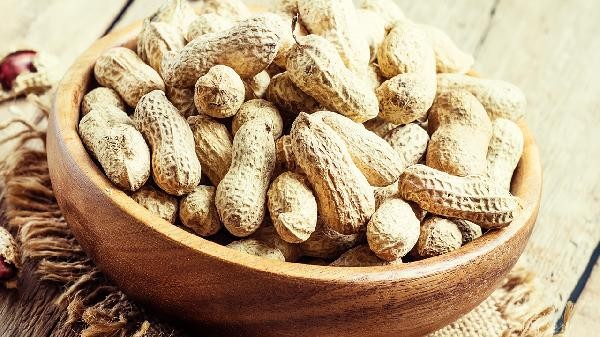
4. Peanut butter
Roasted peanuts are peeled and placed in a blender. Add a small amount of salt and vegetable oil and grind until a fine paste is formed. Peanut butter is rich in monounsaturated fatty acids and plant protein, and can be applied to bread or used as a dipping sauce for hot pot. Homemade peanut butter has no additives, but it needs to be sealed and refrigerated, and consumed within two weeks to avoid oxidation and spoilage of the oil.
5. Five spice peanuts
Peanuts are stir fried or baked together with spices such as star anise, Sichuan pepper, and fragrant leaves. The spice ingredients help promote digestion. Five spice peanuts can be used as travel snacks, but commercially available products may contain a lot of food additives. It is recommended to check the ingredient list and choose the low sodium version. When making at home, the amount of salt can be controlled, and baking with an air fryer is healthier. Peanuts contain high-quality protein, unsaturated fatty acids, and various minerals, but the recommended daily intake is within 30 grams. Sprouted peanuts can produce toxic substances, and moldy peanuts contain strong carcinogens such as aflatoxin, which are not edible. People with weak gastrointestinal function should avoid consuming large amounts on an empty stomach, and those with peanut allergies should strictly avoid it. Different cooking methods can affect nutrient retention rates. It is recommended to alternate between healthy methods such as boiling and low-temperature baking, and pair them with other nuts to ensure balanced nutrition.








Comments (0)
Leave a Comment
No comments yet
Be the first to share your thoughts!