
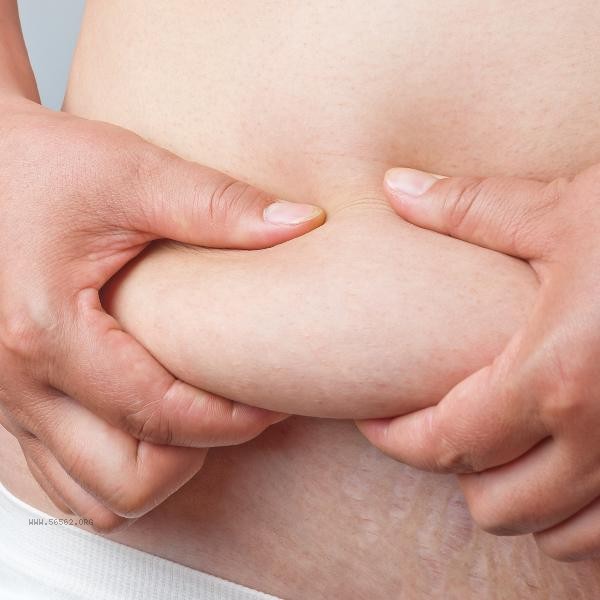
The main methods for local weight loss in the human body include controlling diet, local exercise, physical therapy, medication, surgical treatment, etc. Local weight loss requires a combination of whole-body weight loss and targeted training, and the effect varies from person to person.
1. Control diet
Reduce intake of high calorie foods, increase the proportion of high-quality protein and dietary fiber, and help reduce body fat content. Avoid refined sugars and saturated fats, choose low glycemic index foods such as oats and brown rice, and pair them with moderate amounts of nuts and deep-sea fish. Control the daily calorie deficit within a reasonable range to avoid metabolic disorders caused by extreme dieting.
2. Local exercises
Design resistance training for the target area, such as abdominal roll, leg squat, arm dumbbell bending, etc. Each training session includes 15-20 minutes of aerobic exercise and 30 minutes of strength training, conducted 3-5 times a week. Timely supplementation of protein after exercise promotes muscle repair and local line shaping.
3. Physical therapy
destroys adipocytes through non-invasive methods such as cryolipolysis or radiofrequency tightening. Cryolipolysis is suitable for fat accumulation areas such as the waist, abdomen, and thighs, and requires multiple treatments to achieve results. Radiofrequency can stimulate collagen regeneration and improve skin laxity. Adequate water intake should be maintained before and after treatment to avoid infection in the treated area.

4. Medication therapy
Orlistat capsules can inhibit intestinal fat absorption and should be combined with a low-fat diet. Liraglutide injection can regulate the appetite center and is suitable for obese individuals with metabolic abnormalities. The use of medication must strictly follow medical advice, monitor liver and kidney function and gastrointestinal reactions, and do not adjust the dosage on your own.
5. Surgical treatment
Liposuction directly removes subcutaneous fat, suitable for local stubborn fat accumulation. Gastric sleeve resection is suitable for patients with pathological obesity, and surgical risks need to be evaluated. After surgery, it is necessary to wear shapewear for 3-6 months and cooperate with rehabilitation training to prevent uneven skin. All surgeries carry the risk of complications such as infection and thrombosis.
Local weight loss requires long-term adherence to a healthy lifestyle, avoiding skin sagging and metabolic damage caused by rapid weight loss. It is recommended to lose no more than 1% of total weight per week, warm up and stretch before and after exercise, and replenish electrolytes in a timely manner. If discomfort symptoms such as dizziness and palpitations occur, extreme weight loss measures should be stopped immediately, and if necessary, a nutritionist or doctor should be consulted to develop a personalized plan. Maintaining a regular schedule and a positive mindset is crucial for sustaining weight loss.








Comments (0)
Leave a Comment
No comments yet
Be the first to share your thoughts!