
The raw material of sesame oil is sesame. Sesame oil is a type of oil extracted from sesame seeds through pressing or extraction processes, which has a rich aroma and abundant nutritional value.
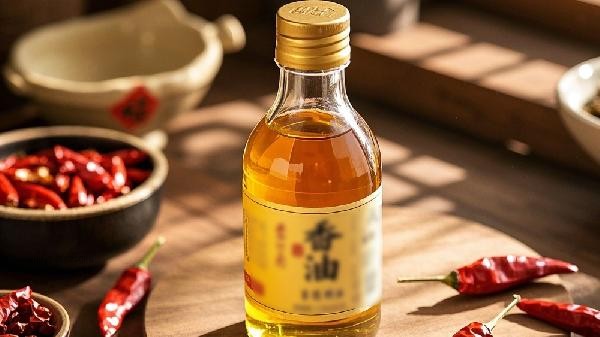
1. Sesame
Sesame is the only raw material for sesame oil, which is divided into two types: white sesame and black sesame. White sesame has a high oil content and is commonly used to make sesame oil. Black sesame has richer nutritional value, but lower oil yield. Sesame is rich in high-quality protein, unsaturated fatty acids, vitamin E, calcium, iron and other nutrients, and has antioxidant and anti-aging effects.
2. Squeezing process
Traditional sesame oil often uses stone grinding and pressing process, and low-temperature slow pressing can maximize the preservation of sesame aroma and nutrition. Modern technology also uses spiral pressing method, which has a higher oil yield but slightly lower aroma. The pressed sesame cake can be reused and is rich in protein and dietary fiber.
3. Extraction process
The partially industrialized production of sesame oil adopts solvent extraction method, using food grade solvents to extract sesame oil. This method has a high oil yield and low cost, but requires strict desolvation treatment. The aroma of sesame oil produced by leaching method is relatively light, and it is often necessary to add a small amount of pressed sesame oil for fragrance adjustment.

4. Nutrients
Xiang oil contains abundant unsaturated fatty acids, among which oleic acid and linoleic acid have higher content. These fatty acids help lower cholesterol and prevent cardiovascular disease. Sesame oil also contains natural antioxidants such as sesamin and sesamin, which have anti-inflammatory and anti-aging effects.
5. Suggested consumption
Sesame oil is suitable for cold dishes, dipping, or as a seasoning oil. High temperature cooking can damage its nutritional content and aroma. The recommended daily intake is 10-15 grams. People who are allergic to sesame should avoid consumption. After opening, it should be sealed and refrigerated to avoid oxidation and deterioration.
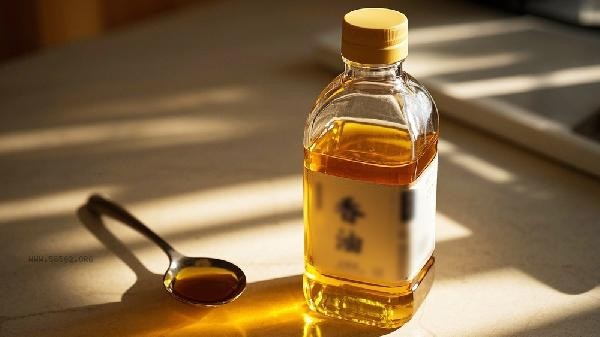
Sesame oil not only adds flavor to dishes, but also provides various essential nutrients for the human body. It is recommended to choose pure sesame oil produced by legitimate manufacturers to avoid purchasing adulterated products. Adding sesame oil in moderation to daily diet can help replenish unsaturated fatty acids and antioxidants. When storing, pay attention to avoiding light and sealing. After opening, consume as soon as possible to ensure quality. Special populations such as weight loss enthusiasts and patients with high blood lipids should control their intake.








Comments (0)
Leave a Comment
No comments yet
Be the first to share your thoughts!