
The hazards of liposuction for weight loss mainly include infection, bleeding, uneven skin, fat embolism, and anesthesia risk. Liposuction surgery removes subcutaneous fat through negative pressure suction, which can quickly improve body shape, but may cause various complications.
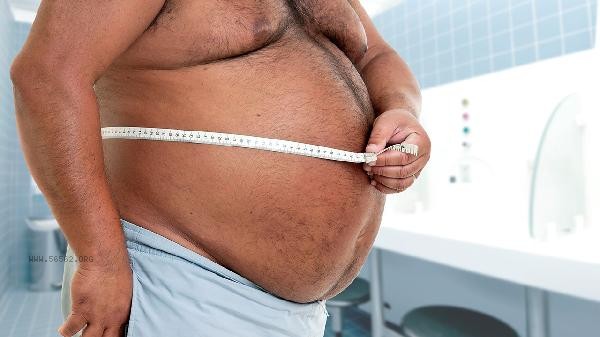
1. Infection
Liposuction surgery is an invasive procedure, and postoperative infection may occur due to incomplete disinfection or improper care. Infection manifests as redness, increased pain, fever, and other symptoms at the surgical site, and in severe cases can lead to sepsis. Antibiotics such as cefaclor capsules, amoxicillin clavulanate potassium tablets, levofloxacin tablets, etc. should be used according to medical advice to control infections, and wound care should be strengthened.
2. Bleeding
During surgery, blood vessels may be damaged, leading to local hematoma or persistent bleeding. If the amount of bleeding is large, it may cause hypotension or even shock. After surgery, pressure bandaging and close observation are required. If necessary, blood transfusion or surgery can be used to stop bleeding. Long term use of anticoagulant drugs should be discontinued before surgery to reduce the risk of bleeding.
3. Uneven fat suction or improper postoperative pressure may lead to concave or raised skin surfaces, especially in large areas such as the abdomen and thighs. Mild unevenness can be repaired through massage or radiofrequency, while severe cases require secondary surgery for correction. Choosing experienced doctors and standardized postoperative shapewear can help reduce this risk.
4. Fat embolism
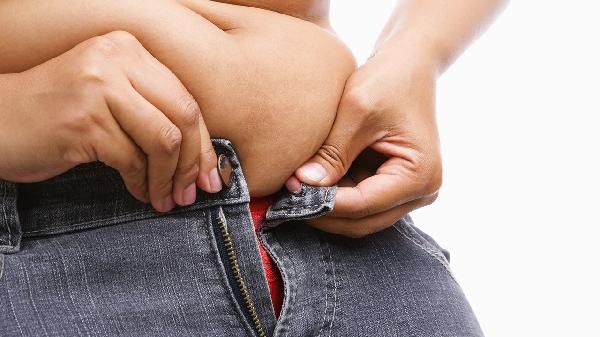
is a rare but fatal complication, characterized by difficulty breathing, blurred consciousness, and even sudden death due to the entry of fat particles into blood vessels that block pulmonary arteries or brain blood vessels. Immediate thrombolytic therapy or intensive care is required. Preoperative assessment of coagulation function and control of single liposuction volume (not exceeding 5000 milliliters) can reduce the probability of occurrence.
5. Anesthesia Risk
General anesthesia may lead to malignant hyperthermia, arrhythmia, or anaphylactic shock, and excessive local anesthesia may also cause toxic reactions. Preoperative cardiopulmonary function assessment should be completed, and vital signs should be closely monitored during anesthesia. People with a history of chronic diseases or allergies should inform their doctors in advance to adjust their plans. After liposuction, it is necessary to wear shapewear for 3-6 months to promote skin retraction and avoid strenuous exercise or high temperature environments. The diet should be low in salt and fat, supplemented with high-quality protein such as fish, chicken breast, and vegetables and fruits rich in vitamin C to help with tissue repair. If symptoms such as persistent pain, fever, or difficulty breathing occur, seek medical attention immediately. It is recommended to control weight through scientific diet and exercise, and reduce dependence on invasive weight loss methods.








Comments (0)
Leave a Comment
No comments yet
Be the first to share your thoughts!