
Eating a small amount of astringent persimmons usually does not cause significant harm, but excessive or improper consumption may cause gastrointestinal discomfort or the risk of stones. Bitter persimmons contain a high amount of tannic acid, which is even higher when they are not fully ripe. They may combine with stomach acid to form hard lumps, leading to indigestion or abdominal pain. It is recommended to store persimmons until they are soft and cooked before consumption, or to consume them at least two hours apart from high protein foods. The tannic acid content in astringent persimmons is relatively high when they are immature, and this substance can bind with saliva proteins in the mouth to produce a astringent sensation. When consumed in small amounts, the body can excrete it through metabolism, but consuming in large quantities may irritate the gastrointestinal mucosa, causing symptoms such as bloating and nausea. People with weak gastrointestinal function may experience transient diarrhea, and children and the elderly need to pay special attention to controlling their intake. Fully ripe persimmons have significantly reduced tannic acid content, resulting in a sweeter and more easily digestible taste. When consuming astringent persimmons on an empty stomach or with high protein foods such as seafood and milk, tannic acid is prone to combine with protein to form sediment. Long term exposure to this condition may increase the likelihood of gastric stones, manifested as persistent upper abdominal pain, vomiting, and other symptoms. People with diabetes need to eat mature persimmons carefully, and their sugar content can reach about 15%. Persimmon skin has the highest concentration of tannic acid, and consumption without skin can reduce the risk. Patients after gastrointestinal surgery should avoid consumption.
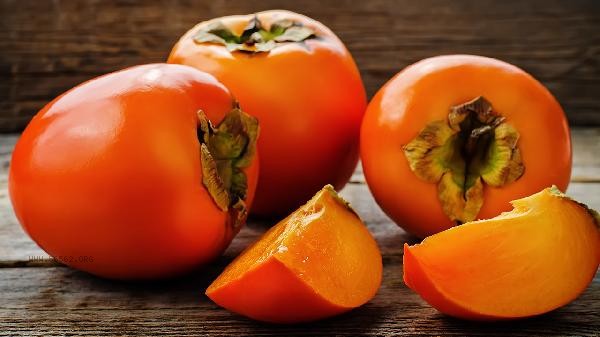
After consuming persimmons, it is recommended to drink warm water to aid digestion and avoid immediately consuming acidic foods. When storing persimmons in daily life, they can be sealed with apples to accelerate astringency. If there is persistent abdominal pain or abnormal bowel movements, seek medical attention promptly. Maintain dietary diversity, consume no more than two persimmons per day, half for children, and pair with fruits rich in vitamin C to promote tannic acid metabolism. Patients with gastrointestinal diseases can consult a nutritionist to develop personalized plans before consumption.








Comments (0)
Leave a Comment
No comments yet
Be the first to share your thoughts!