
Fruits that do not oxidize and change color mainly include lemons, pineapples, grapes, oranges, cherries, etc. These fruits are less prone to browning after cutting due to their special ingredients or low enzyme activity.
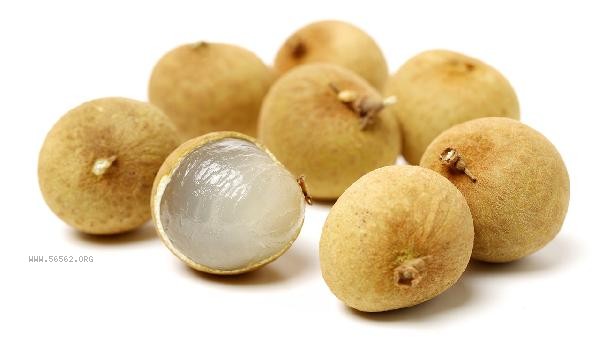
1. Lemon
Lemon is rich in citric acid and vitamin C. An acidic environment can effectively inhibit the activity of polyphenol oxidase and block the oxidation reaction chain. The flesh cells have a tight structure, and phenolic substances are not easily exposed to oxygen. Even after slicing, the original color can still be maintained for several hours. Note that lemon juice can be applied to other easily oxidizable surfaces as a natural antioxidant.
2. Pineapple
Pineapple contains bromelain, which can break down phenolic substrates that cause browning. Its cell wall structure is unique, with strong juice permeability, which can form a protective layer to isolate oxygen. When fresh pineapple slices are refrigerated and stored, their color stability is better than most tropical fruits, making them suitable for making fruit platters.
3. Grapes
Grape skins are rich in anthocyanins and resveratrol, and have strong antioxidant properties. The low tannin content and high water activity in the flesh slow down the enzymatic browning rate. Seedless varieties have fewer damaged parts, and can be cleaned and refrigerated for several days without browning. However, damaged fruit pieces still need to be consumed as soon as possible.
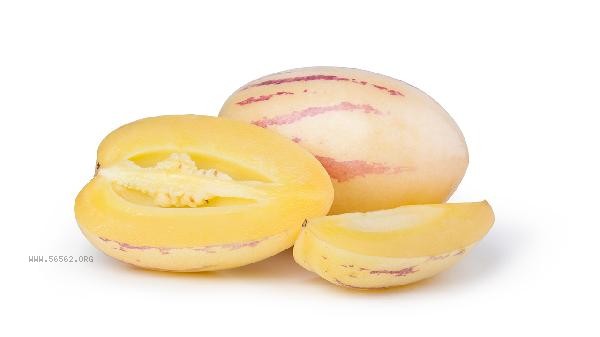
4. Oranges
The capsule structure of orange fruits naturally isolates air, and the essential oil components in the skin have antioxidant properties. The synergistic effect of vitamin C and citric acid in the flesh can maintain the stability of the pH value of the cut surface. Navel oranges, blood oranges, and other varieties can maintain their bright color for more than 12 hours in a sealed container even when peeled off.
5. Cherry
Cherry contains a large amount of anthocyanins and melatonin, and its antioxidant capacity is 10 times that of vitamin E. When the wax layer of the fruit peel is intact, it can effectively block oxygen permeation. Under refrigerated conditions, stem removed cherries can last for 3 days without browning, but mechanical damage can accelerate the oxidation of the flesh. It is recommended to store the whole cherry to avoid squeezing.
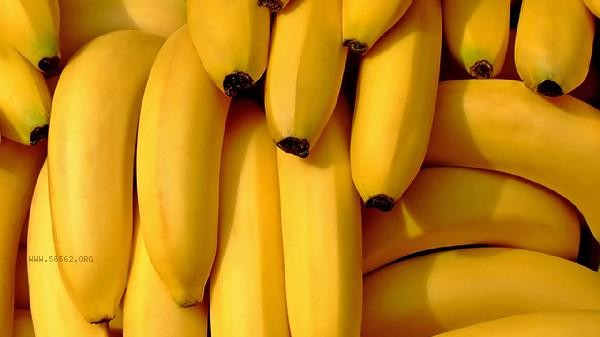
When choosing this type of fruit, it is recommended to prioritize purchasing fruits with intact skin and no mechanical damage. After cutting, it can be tightly wrapped with cling film or soaked in diluted salt water to further delay oxidation. Lemon juice can be mixed with water in proportion as an antioxidant in daily life and sprayed on the cut surface of easily discolored fruits. Please note that fruits that are prone to oxidation, such as mangoes and bananas, should not come into contact with copper cutting tools. The optimal storage temperature should be controlled between 4-8 degrees Celsius. Special groups such as those with excessive stomach acid need to control the intake of citrus, and diabetes patients should pay attention to the sugar content of cherries and other fruits.








Comments (0)
Leave a Comment
No comments yet
Be the first to share your thoughts!