
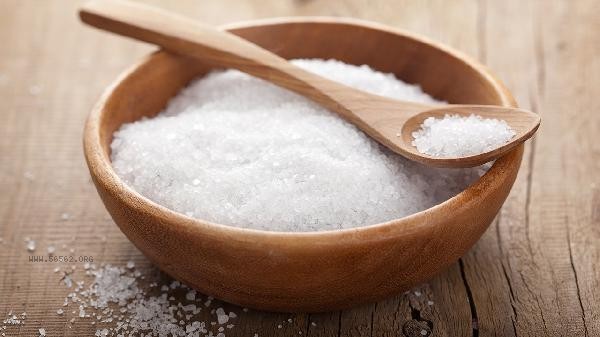
Mixing dishwashing detergent, white vinegar, and salt can enhance the cleaning effect, but the ratio needs to be adjusted according to the specific use. Dishwashing detergent can remove oil stains, white vinegar can remove dirt and kill bacteria, and salt can increase friction and inhibit bacteria. The combination of the three is suitable for kitchen cleaning, pipeline dredging, clothing stain removal, and other scenarios. The main component of dishwashing detergent is surfactant, which can decompose oil and protein stains. After mixing with white vinegar, acetic acid can soften scale and soap deposits, improving its cleaning power on hard surfaces such as stainless steel and glass. The small particles of salt generate physical friction during the cleaning process, making it suitable for treating burnt bottom or stubborn stains on cutting boards. It is recommended to dilute dishwashing detergent, white vinegar, and salt in a ratio of 10:3:1 during preparation to avoid high concentration corrosion of metal surfaces. The acidity of white vinegar may damage natural stones such as marble and granite, and long-term use can cause the surface to lose its luster. Excessive salt intake can cause scratches on metal products, and aluminum products are prone to oxidation spots when in contact with vinegar salt mixtures. Do not use this method when cleaning electronic products or precision instruments, as residual salt may corrode the circuit board. The effect of treating mold spots is limited, and special mold removers are required for deep mold.
After use, rinse thoroughly with water to avoid residue. For sensitive skin, it is recommended to wear gloves. Special cleaning agents should be used for items made of different materials, which is more suitable for emergency handling or daily light cleaning. When stored, they must be kept separately, and the mixture should be prepared and used immediately to prevent component failure.








Comments (0)
Leave a Comment
No comments yet
Be the first to share your thoughts!