
Mixing dishwashing detergent and white vinegar can enhance the cleaning effect, but attention should be paid to the usage scenario and ratio. The acidic components of white vinegar can dissolve scale and soap stains, while dishwashing detergent can decompose oil stains. The combination of the two can enhance the cleaning power of stubborn stains such as kitchen oil stains and scale. White vinegar contains acetic acid, which can soften scale and inhibit bacterial growth, making it suitable for cleaning areas prone to scaling such as faucets and shower heads. The surfactants in dishwashing detergent can emulsify oils and have a significant effect on oil stains on tableware and stoves. After mixing, it can both remove oil and scale, especially suitable for treating long-term accumulated mixed stains. It is recommended to dilute in a 1:1 ratio during use to avoid high concentrations of acetic acid corroding metal or stone surfaces. Some materials such as marble and natural wood are not acid resistant, and contact with mixed liquids may cause surface corrosion. Long term use of coating equipment may also result in fading. Inhalation of high concentration acetic acid vapor by sensitive individuals may irritate the respiratory tract, and it is recommended to operate in a ventilated environment. After mixing, it should be used immediately to avoid prolonged storage and reduced cleaning effectiveness.
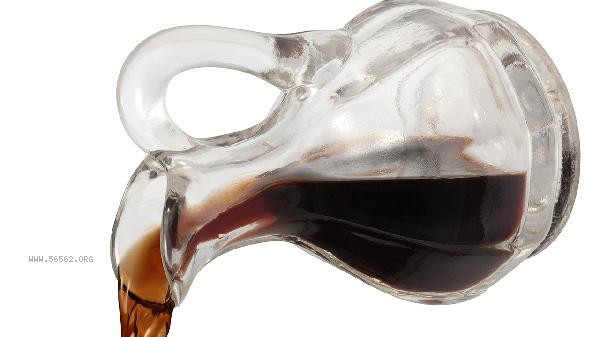
For daily cleaning, spray the mixture on the stain and let it sit before wiping. For stubborn stains, repeat the process. Rinse thoroughly with clean water after use to avoid residue. Not recommended for special materials such as aluminum products and painted furniture. Separate storage is necessary to prevent accidental mixing and the production of irritating gases. If there are any abnormalities on the surface of the item after cleaning, it should be stopped immediately and professional personnel should be consulted.








Comments (0)
Leave a Comment
No comments yet
Be the first to share your thoughts!