
Excessive rice consumption may lead to blood sugar fluctuations, nutritional imbalances, and increased gastrointestinal burden. Long term excessive intake may increase the risk of chronic diseases such as obesity and diabetes. As a high carbohydrate staple food, excessive consumption of rice can rapidly increase postprandial blood sugar levels. Frequent blood glucose fluctuations may promote insulin resistance and increase the incidence of type 2 diabetes. For individuals with pre-existing glucose metabolism abnormalities, excessive intake can increase the burden on the pancreas, which is not conducive to disease control. Refined white rice has a high glycemic index and lacks dietary fiber to delay sugar absorption, which can easily lead to sudden increases and decreases in blood sugar levels. From the perspective of nutritional structure, excessive intake of rice will occupy the space for other food intake, resulting in insufficient intake of nutrients such as protein, vitamins, minerals, etc. Long term single staple food structure may lead to B vitamin deficiency, resulting in symptoms such as angular stomatitis and beriberi. Overconsumption by individuals with weak gastrointestinal function may lead to digestive adverse reactions such as bloating and acid reflux, especially with increased resistant starch content in cold rice, which is more likely to cause gastrointestinal discomfort.
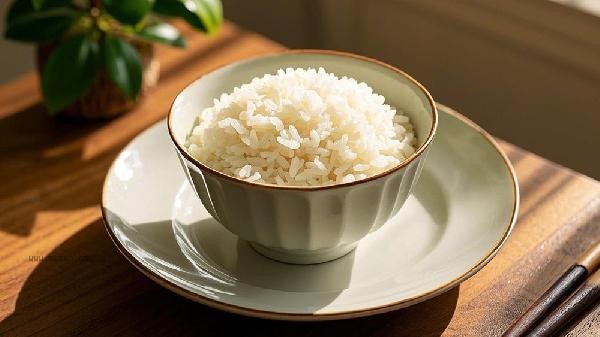
It is recommended to control the daily intake of staple foods within a reasonable range and increase dietary fiber with whole grains such as brown rice and miscellaneous grains. Pay attention to a balanced intake of high-quality protein, fresh vegetables, and healthy fats, and avoid a long-term single dietary structure. People with abnormal blood sugar can partially replace white rice with low glycemic index staple foods such as buckwheat and oats, and add beans appropriately to increase protein content during cooking. Developing a habit of chewing slowly can help enhance satiety and prevent excessive intake.










Comments (0)
Leave a Comment
No comments yet
Be the first to share your thoughts!