
Moderate consumption of rice and rice has no significant harm to health, but long-term excessive intake may cause problems such as blood sugar fluctuations, nutritional imbalances, and gastrointestinal burden. The main risks of rice are related to cooking methods, pairing habits, and individual metabolic differences.

As a refined carbohydrate, rice has a high glycemic index. Frequent and large consumption may lead to rapid postprandial blood sugar rise and increase the risk of insulin resistance. Long term high glycemic diet is associated with obesity and metabolic syndrome. The precision processing process causes rice to lose some B vitamins and dietary fiber. If the dietary structure is monotonous, it may lead to vitamin B1 deficiency, manifested as symptoms such as fatigue and peripheral neuropathy. Some people have weaker gastrointestinal function, and excessive consumption may lead to digestive adverse reactions such as bloating and acid reflux, especially with increased resistant starch content in cold rice, making digestion more difficult.

In special circumstances, attention should be paid to the potential risks of rice. Moldy rice may contain aflatoxins, and long-term intake increases the risk of liver cancer. Some people are sensitive to the protein content in rice and may experience allergic reactions such as skin itching. Rice produced in areas with heavy metal pollution may have issues with the accumulation of heavy metals such as arsenic and cadmium. Diabetes patients and obese people need to strictly control the intake of single meal. It is recommended to match sufficient vegetables and high-quality protein to slow the rise of blood sugar.
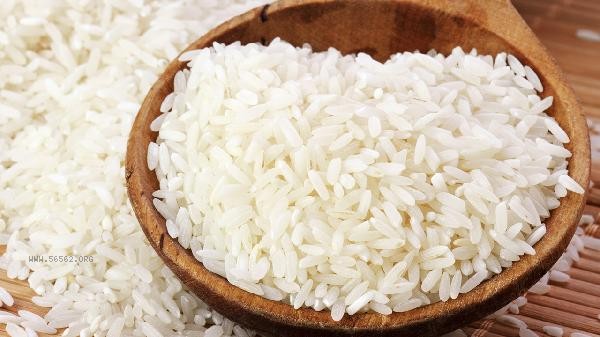
It is recommended to mix rice with brown rice and miscellaneous grains to increase dietary fiber, and pair each meal with 150-200 grams of vegetables and 80-100 grams of fish, poultry, meat, and eggs. Avoid eating cold rice or oil Fried Rice alone for a long time, and control the amount of oil and salt used in cooking. Children and elderly people can reduce their single intake appropriately and eat in multiple portions. When there is persistent indigestion or abnormal blood sugar, it is necessary to adjust the diet structure in a timely manner and consult a nutritionist.








Comments (0)
Leave a Comment
No comments yet
Be the first to share your thoughts!