
The correct swimming weight loss methods mainly include controlling swimming time, maintaining reasonable intensity, adjusting diet, choosing appropriate swimming posture, and conducting interval training. Swimming, as an aerobic exercise, can effectively burn calories, but it requires a combination of scientific methods to achieve the desired weight loss effect.
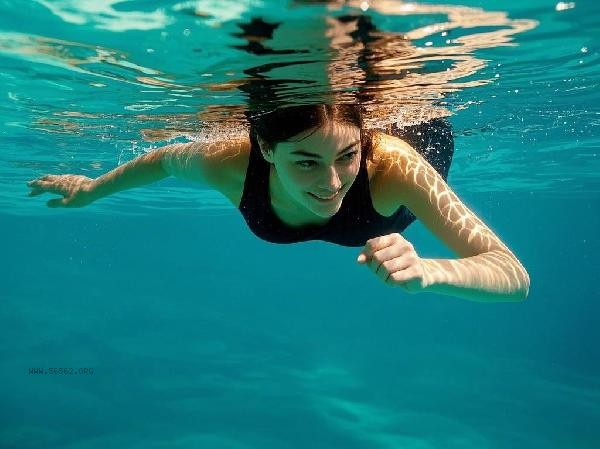
1. Control swimming time
The recommended duration for each swim is 30-60 minutes, during which the proportion of fat energy supply gradually increases. Exercise lasting less than 20 minutes mainly consumes glycogen and has limited fat loss effects. Maintain regular swimming 3-5 times a week to avoid muscle fatigue caused by excessive exercise in a single session. Swimming on an empty stomach in the morning can improve fat utilization, but people with low blood sugar should be cautious.
2. Maintain reasonable intensity
Use heart rate monitoring to ensure that the exercise intensity is within the range of 60% -70% of the maximum heart rate. At this time, breathing is slightly rapid but normal conversation can still be maintained. The reference standard for 1000m breaststroke is 18-25 minutes. High intensity swimming can easily cause hunger and is not conducive to weight loss. It is important to replenish water and protein in a timely manner after exercise.
3. Dietary Adjustment
After swimming, avoid high sugar and high-fat diets and choose high-quality protein and dietary fiber foods such as chicken breast and broccoli. The daily calorie deficit should be controlled at 300-500 calories, and extreme dieting can lead to insufficient physical strength while swimming. Moderate supplementation of slow carbon foods such as bananas and whole wheat bread can be used before and after exercise to maintain energy.
4. Choose the appropriate swimming posture
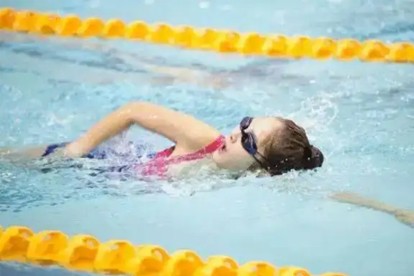
breaststroke consumes about 600 calories per hour, suitable for beginners; The maximum fat burning efficiency of freestyle swimming can reach 700 kcal/hour; Butterfly swimming requires high core strength but can strengthen muscle lines. Mixed swimming training can avoid local muscle strain, and it is recommended to alternate swimming 200-400 meters for each stroke.
5. Interval training
adopts a 50 meter sprint+50 meter slow swim interval mode, which can enhance the EPOC effect (excessive oxygen consumption after exercise) and sustain fat burning. Arrange 1-2 variable speed trips per week, such as alternating between fast and slow speeds of 8 x 50 meters. Underwater kicking training can enhance lower limb metabolism, using a floating board to perform 10 sets of 30 second rapid kicks.
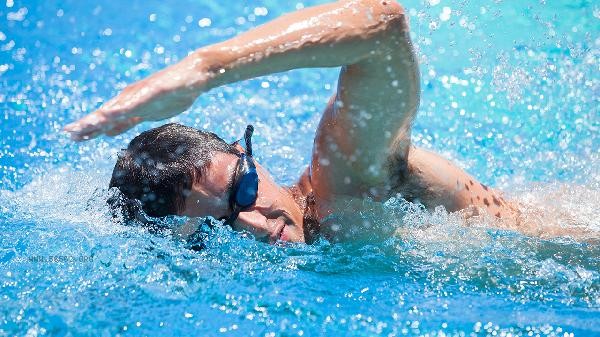
Swimming for weight loss requires sufficient warm-up and stretching before and after exercise to avoid stimulating appetite due to low water temperature. It is recommended to wear a waterproof sports watch to monitor heart rate and calorie expenditure, and regularly measure body fat percentage, which can better reflect the weight loss effect than body weight. Combining strength training can prevent muscle loss, while land training such as plank support can enhance core stability during swimming. When joint pain occurs, adjust swimming posture or reduce exercise intensity, and consult a professional swimming coach or rehabilitation physician if necessary.








Comments (0)
Leave a Comment
No comments yet
Be the first to share your thoughts!