
Ripening fruits can improve food convenience and reduce transportation losses. Common ripening methods include ethylene gas ripening and temperature regulation. Ripening fruits may retain some nutrients, accelerate the ripening process, reduce storage costs, improve taste and hardness, and reduce picking damage.
1. Retain some nutrients
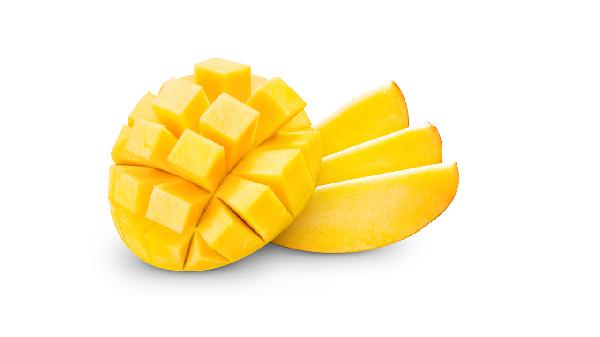
Some fruits such as bananas and mangoes are not fully ripe at the time of harvesting, and controlled ripening can slow down the loss of nutrients such as vitamin C. These types of fruits are easily affected by pests or climate when naturally ripe on trees, and scientific ripening after early harvesting can preserve more nutrients. However, excessive ripening may lead to the degradation of water-soluble vitamins, and the ripening intensity and time need to be controlled.
2. Accelerating the ripening process
Ethylene ripening can shorten the time period from fruit picking to market, allowing starch to be converted into sugar faster. For example, after being treated with ethylene, kiwi fruit softens several times faster than natural ripening, meeting the immediate supply demand in the market. This technology has a significant effect on fruits that require post ripening, such as persimmons and avocados.
Third, reduce storage costs
Immature fruits have strong storage and transportation resistance, and the ripening process can be delayed until the sales terminal. Bananas and other tropical fruits are transported via cold chain to green fruits, which are uniformly ripened upon arrival at their destination, significantly reducing decay and loss during transportation. This model can save refrigeration space and logistics costs, and achieve cross regional sales.
Fourth, improve taste and hardness
Artificial ripening can accurately control the softness and ripeness of fruits, avoiding over softening or uneven texture caused by natural ripening. After being temperature controlled to ripen tomatoes, the flesh remains moderately compact and the sugar acid ratio is more balanced. For ready to eat fruits such as papaya, ripening techniques can ensure optimal edibility.
Fifth, reduce picking damage
Fully ripe fruits have fragile and vulnerable skin, and early picking and ripening can reduce mechanical damage during the harvesting process. Strawberries, blueberries and other berries can reduce post harvest losses by about 30% through this method. At the same time, green fruits have high hardness and are more suitable for automated sorting processes.
When choosing ripening fruits, it is recommended to observe whether the fruit stem is fresh and whether the skin color is uniform, and avoid choosing products with alcohol odor or locally too soft. Eating ripe fruits in combination with naturally ripe fruits can balance nutrient intake. Special populations such as infants and young children can prioritize choosing naturally ripe fruits of the season. Before consuming ripening fruits in daily life, it is recommended to thoroughly rinse the surface residue with running water.








Comments (0)
Leave a Comment
No comments yet
Be the first to share your thoughts!