
Raisins are rich in various nutrients, and moderate consumption can help supplement energy, improve anemia, promote digestion, and more. The main nutritional values of raisins include natural sugar, dietary fiber, iron, potassium, and antioxidants.
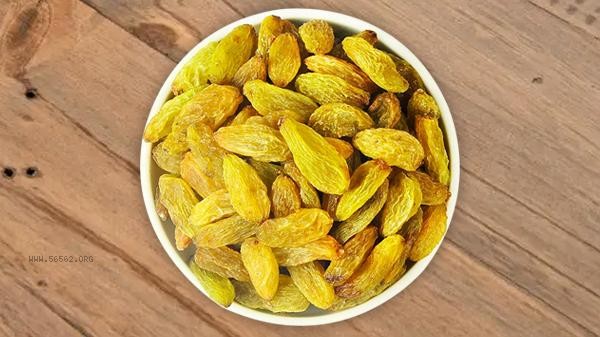
1. Supplement Energy
Raisins contain a large amount of natural fructose and glucose, which can quickly provide energy to the human body and are suitable for consumption after exercise or when fatigued. It has a high carbohydrate content and can be used as a healthy snack to replace refined sugar foods.
2. Improving Anemia
Raisins are a good source of plant-based iron, containing about 1 milligram of iron per 100 grams. Eating them in combination with vitamin C foods can increase iron absorption. Long term moderate intake has a certain auxiliary improvement effect on people with iron deficiency anemia.
3. Promote digestion
Raisins have a dietary fiber content of 3-4 grams per 100 grams, which can stimulate intestinal peristalsis and relieve constipation. Tartaric acid can also regulate the balance of gut microbiota, but consumption should be reduced during diarrhea.
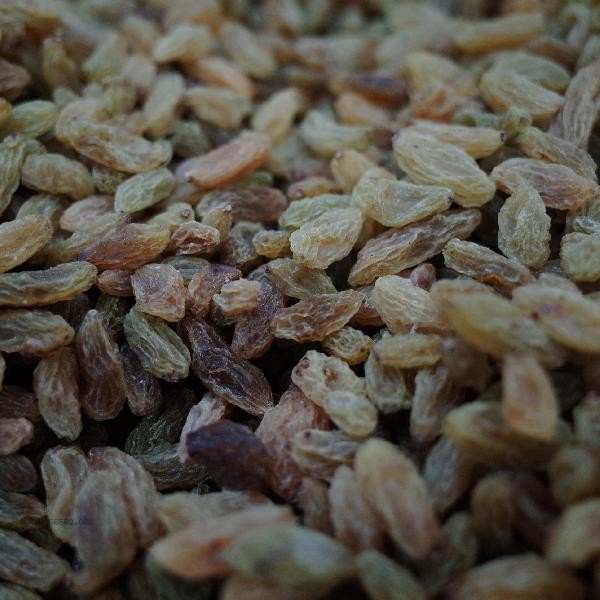
4. Cardiovascular Protection
Raisins are rich in potassium, with 749 milligrams of potassium per 100 grams, which helps regulate blood pressure. Polyphenolic antioxidants can reduce vascular oxidative damage and lower the risk of arteriosclerosis.
5. Antioxidant Effects
The components such as resveratrol and anthocyanins in raisins have the effect of clearing free radicals, and their antioxidant capacity is 5-8 times that of fresh grapes. Moderate consumption can help delay cell aging.

It is recommended that the daily consumption should be controlled at 20-30g, and diabetes patients should be cautious. When making a purchase, choose products without added sugar or preservatives, and store them sealed and refrigerated after opening. Eating oats and nuts together can balance the glycemic index and avoid consuming high oxalate foods that can affect mineral absorption. Special populations such as dental caries patients and those with weak gastrointestinal function should reduce their frequency of consumption.








Comments (0)
Leave a Comment
No comments yet
Be the first to share your thoughts!