
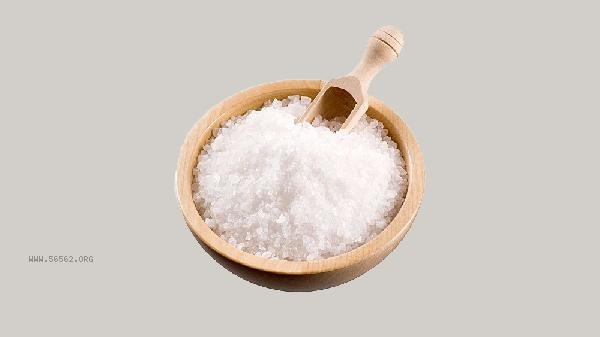
Brushing teeth with salt water can have a certain cleaning and anti-inflammatory effect, but it is not suitable for long-term use. Saltwater has antibacterial effects, which can help alleviate gum inflammation and temporarily reduce oral odor. High concentration saline may damage tooth enamel, and it is recommended to use it for a short period under the guidance of a doctor. The main component of saline water, sodium chloride, has osmotic pressure and can destroy the cell structure of some bacteria, inhibiting common pathogenic bacteria such as streptococcus and staphylococcus in the oral cavity. Rinsing with diluted salt water can assist in removing food residue, especially suitable for short-term use during periods of gum redness, swelling, and bleeding. The mineral components in saltwater can temporarily neutralize the acidic environment of the oral cavity, reduce plaque adhesion, but cannot replace the friction cleaning function of toothpaste. Long term use of saltwater for brushing teeth may lead to enamel demineralization, especially high concentrations of saltwater can accelerate mineral loss on the surface of teeth. Frequent use can also disrupt the balance of oral microbiota, leading to dry mouth or mucosal irritation. Hypertensive patients should be cautious and avoid excessive intake of sodium ions. Children and individuals with sensitive dentin should avoid brushing their teeth with saline solution to prevent worsening of the symptoms of tooth sensitivity.

It is recommended to use fluoride toothpaste in combination with a soft bristled toothbrush for daily oral care. Saltwater mouthwash is only used as an auxiliary measure during acute gum inflammation. Develop the habit of regular oral check ups, and seek medical attention promptly if there is persistent gum bleeding or tooth soreness. Controlling the intake of high sugar foods in diet and supplementing with vitamin C and calcium appropriately can help maintain gum health and avoid stimulating teeth with hard or excessively cold or hot foods.









Comments (0)
Leave a Comment
No comments yet
Be the first to share your thoughts!