
Pomegranate seeds are rich in nutrients, and moderate consumption can help supplement dietary fiber, antioxidants, and healthy fatty acids. The main functions of pomegranate seeds include promoting digestion, antioxidation, maintaining cardiovascular health, improving skin condition, and regulating blood lipids.
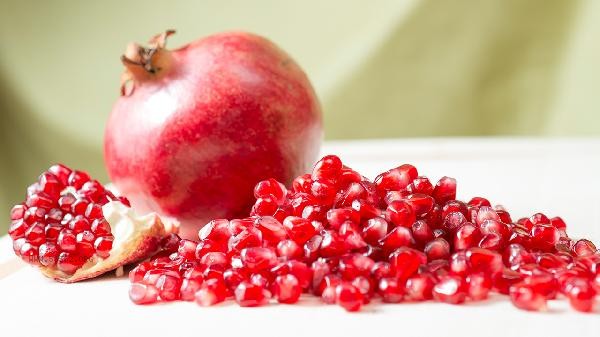
1. Promote digestion
Pomegranate seeds are rich in dietary fiber, which can stimulate intestinal peristalsis and help alleviate constipation problems. Dietary fiber can also increase satiety and reduce the probability of overeating. The fiber component in pomegranate seeds can promote the growth of beneficial gut microbiota and improve the gut microbiota environment. For people with weak gastrointestinal function, it is recommended to chew pomegranate seeds before consumption to avoid increasing digestive burden. Pomegranate seeds contain a large amount of polyphenols and anthocyanins, which have strong antioxidant capacity. These ingredients can eliminate free radicals in the body and delay cellular oxidative damage. Long term moderate intake of pomegranate seeds can help reduce oxidative stress response and decrease the probability of chronic inflammation. The antioxidant effect of pomegranate seeds is helpful in preventing premature aging and certain chronic diseases.
3. Maintaining Cardiovascular Health
Unsaturated fatty acids and plant sterols in pomegranate seeds help regulate blood lipid levels and reduce low-density lipoprotein cholesterol content. Pomegranate seed extract has been proved to improve vascular endothelial function and reduce the risk of atherosclerosis. Moderate consumption of pomegranate seeds has potential benefits in maintaining blood pressure stability and preventing cardiovascular disease.
4. Improving skin
Pomegranate seeds contain tannic acid and vitamin C, which can promote collagen synthesis and enhance skin elasticity. Pomegranate seed oil is often used in skincare products and has moisturizing and anti wrinkle effects. Eating pomegranate seeds can improve skin condition from the inside, reduce skin damage caused by ultraviolet radiation, and delay the process of skin aging.
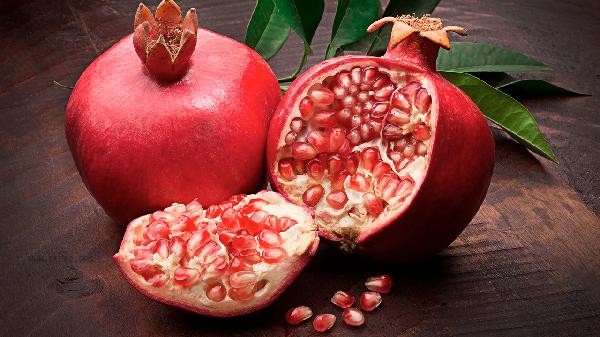
5. Regulating Blood Lipids
Healthy fatty acids such as linoleic acid and linolenic acid in pomegranate seeds can regulate lipid metabolism and improve blood lipid abnormalities. These ingredients help reduce triglyceride levels and increase high-density lipoprotein cholesterol content. For people with mild blood lipid abnormalities, moderate consumption of pomegranate seeds can be used as an auxiliary means of dietary regulation. Although pomegranate seeds are nutritious, they should not be consumed in large quantities at once. It is recommended to limit the daily intake to around 10-15 grams. For those with weak gastrointestinal function, pomegranate seeds can be crushed and added to yogurt or salad for consumption. Pomegranate seeds may cause allergic reactions in a small number of people, and the first attempt should be consumed in small amounts to observe the body's reaction. Incorporating pomegranate seeds into a balanced diet, combined with moderate exercise and regular sleep patterns, can better leverage their health benefits. It is recommended to consult a professional physician or nutritionist before consumption for individuals with special health conditions.









Comments (0)
Leave a Comment
No comments yet
Be the first to share your thoughts!