
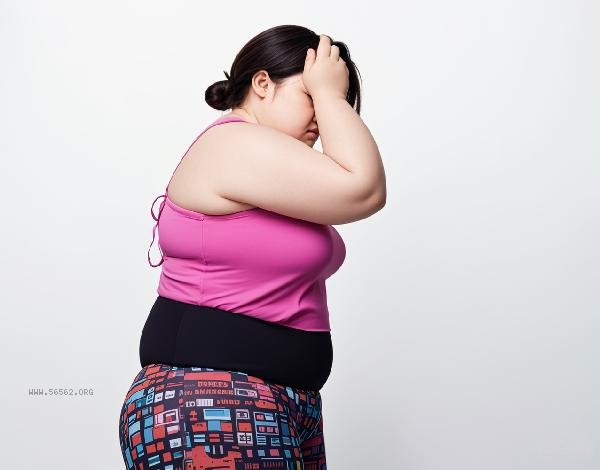
Hip weight loss can be achieved through dietary control, aerobic exercise, strength training, local massage, lifestyle adjustments, and other methods. The accumulation of fat in the buttocks may be related to factors such as prolonged sitting, genetics, hormone levels, dietary structure, and metabolic abnormalities.
1. Dietary control
Reduce the intake of high sugar and high-fat foods, increase the proportion of high-quality protein and dietary fiber. The daily staple food can be replaced with coarse grains such as oats and brown rice. Dark colored vegetables such as broccoli and spinach can be selected, while low sugar fruits such as apples and blueberries are the main ones. Avoid fried foods and sugary drinks, and use steaming and stewing as the main cooking method. Long term extreme dieting may lead to muscle loss and metabolic decline.
2. Aerobic Exercise
Engage in 4-5 sessions of aerobic exercise lasting at least 30 minutes per week, such as jogging, swimming, skipping rope, etc. Maintaining a heart rate within the range of 60% -70% of maximum heart rate can effectively burn fat. Lower limb exercises such as climbing stairs and cycling have a more significant effect on shaping the buttocks. Warm up and stretch thoroughly before and after exercise to avoid joint injuries.
3. Strength training
focuses on weight-bearing exercises for the gluteus maximus and gluteus medius muscles, such as squats, buttock bridges, lunges, etc. Use elastic bands or lightweight dumbbells, 12-15 times per group, to complete 3-4 groups. Strength training can increase muscle mass, improve basal metabolic rate, and make hip lines tighter. During training, it is necessary to maintain core stability and avoid compensatory force from the waist.

4. Local massage
In combination with essential oil or lotion, carry out circular kneading massage, pushing from the thigh root to the waist, 15-20 minutes each time. Massage can promote local blood circulation and assist in eliminating edema, but it cannot reduce fat accumulation alone. Traditional Chinese medicine therapies such as guasha or cupping can be combined, but caution should be exercised for those with sensitive skin.
5. Lifestyle habit adjustment
Avoid prolonged sitting for more than 1 hour and get up and move every 40 minutes. Choose a hard seat instead of a soft sofa and maintain the correct sitting posture. Ensure 7-8 hours of sleep and avoid staying up late which can lead to elevated cortisol levels. Wear loose clothing to prevent local blood circulation obstruction. Daily activities such as climbing stairs and brisk walking can be more fragmented.
Hip fat reduction requires systemic fat consumption combined with local shaping, and the effectiveness of a single method is limited. It is recommended to develop a comprehensive plan that includes diet management, aerobic and anaerobic exercise, and maintain a reasonable weight loss rate of 0.5-1 kg per week. During the process of weight loss, there may be a plateau period, and it is necessary to adjust exercise intensity and dietary structure in a timely manner. If accompanied by menstrual disorders or skin abnormalities, seek medical attention promptly to check for endocrine disorders. Long term maintenance of a healthy lifestyle is necessary to effectively prevent rebound.








Comments (0)
Leave a Comment
No comments yet
Be the first to share your thoughts!