
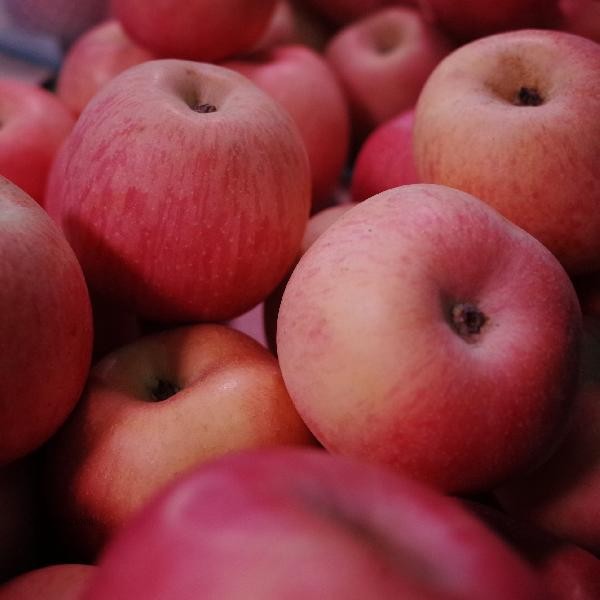
When washing apples, what feels sticky is usually the natural fruit wax or residual pesticides and dust on the surface of the skin. The sticky feeling on the surface of apples may be caused by factors such as wax secretion, pesticide residues, dust adsorption, post harvest treatment agents, and storage environment humidity.
1. Wax secretion
The skin of an apple naturally secretes a thin layer of wax to lock in moisture and prevent microbial invasion. This wax may produce a slippery texture during cleaning, which belongs to the self-protection mechanism of plants and is harmless to the human body. If you pursue a fresher taste, you can use warm water combined with a soft bristled brush to gently rub the skin.
2. Pesticide residues
Some fat soluble pesticides used during the planting process may adhere to the fruit peel and form an adhesive layer when mixed with fruit wax. It is recommended to choose organic apples or soak them in edible baking soda water for ten minutes, decompose the residue in an alkaline environment, and then rinse with running water.
3. Dust adsorption
During transportation and storage, particles in the air combine with the oil in the fruit peel to form a gelatinous substance. These sticky substances are mostly concentrated in the concave part of the fruit stem. When cleaning, you can focus on rubbing this area with your fingers or using fruit and vegetable specific cleaning agents to help decompose it.

4. Post harvest treatment
Some supermarkets may spray food grade preservatives to extend the shelf life, and these water-soluble compounds may produce slight stickiness after drying. After purchase, it can be soaked in diluted salt water for five minutes, using the principle of osmotic pressure to promote the precipitation of some chemical substances.
5. Storage humidity
In high humidity environments, the opening of fruit peel pores accelerates the analysis of internal sugars to the surface, forming a sugar film. This type of situation is common in apples stored in refrigeration. It is recommended to rinse them quickly with warm water at around 50 ℃ before consumption, as the sugar film is more easily dissolved when exposed to heat.
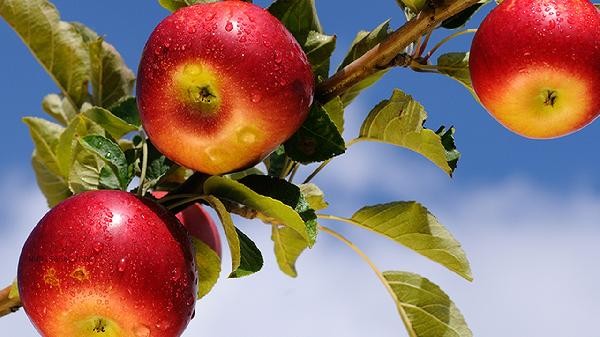
When handling apples in daily life, it is recommended to prioritize rinsing with flowing water and using physical friction to avoid using chemical cleaning agents such as dishwashing detergent. For varieties with thicker skin, peeling can be considered for consumption to reduce wax intake. It is recommended to wrap long-term stored apples in kitchen paper and refrigerate them to absorb exudate and prevent cross contamination. If there is still a noticeable chemical irritant odor after cleaning, it is recommended to stop consumption and report the situation to the market supervision department. Maintaining diverse sources of fruit intake can help mitigate potential food safety risks.








Comments (0)
Leave a Comment
No comments yet
Be the first to share your thoughts!