
The weight loss methods suitable for overweight individuals mainly include adjusting dietary structure, increasing aerobic exercise, strength training, behavioral intervention, and medical weight loss. Weight loss requires a combination of scientific diet and regular exercise, and professional medical guidance can be sought if necessary.
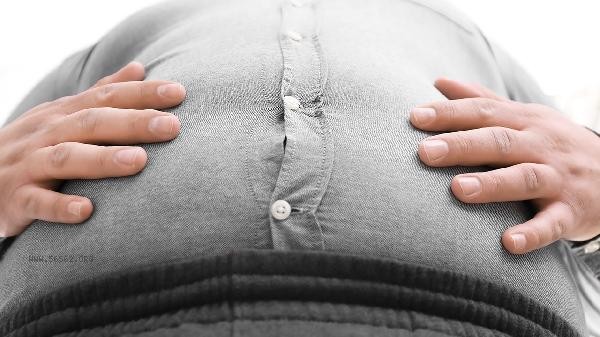
1. Adjust dietary structure
Reduce intake of high calorie foods, increase the proportion of vegetables, fruits, and high-quality protein. Choose whole grains as the staple food instead of refined rice and flour, and control daily total calorie intake. Avoid fried foods, sugary drinks, and overly processed foods, and adopt a small and frequent meal pattern to stabilize blood sugar levels.
2. Increase aerobic exercise
Engage in 150-300 minutes of moderate intensity aerobic exercise per week, such as brisk walking, swimming, or cycling. During exercise, the heart rate should be maintained at 60% -70% of the maximum heart rate, starting gradually from 20 minutes per day. Water sports have lower joint pressure and are more suitable for people with a large body weight base.
3. Strength training
Resistance training 2-3 times a week can increase muscle mass and improve basal metabolic rate. Use elastic bands, self weight training, or equipment to exercise the main muscle groups, repeating each movement 8-12 times. After an increase in muscle mass, energy expenditure in a resting state will continue to increase.
4. Behavioral Intervention
Keeping a diet and exercise diary can help establish healthy habits and avoid emotional eating. Set reasonable phased goals and slow down eating speed through mindful eating. Ensure 7-9 hours of sleep per day, as insufficient sleep can affect the secretion of leptin and ghrelin.
5. Medical weight loss
For individuals with a body mass index exceeding 32.5 or accompanied by metabolic disorders, medication such as Orlistat capsules may be considered under the guidance of a doctor. Severely obese patients may be suitable for metabolic surgeries such as gastric sleeve resection after evaluation, and long-term nutritional monitoring is required after surgery. During weight loss, it is recommended to drink 2000-2500 milliliters of water daily to avoid extreme dieting that can lead to malnutrition. Regularly monitoring changes in body fat percentage and circumference is more meaningful than simply focusing on weight. When encountering the plateau period, adjust the exercise mode and diet ratio, and consult a nutritionist to develop personalized plans if necessary. Long term maintenance of a healthy lifestyle is more important than short-term rapid weight loss.









Comments (0)
Leave a Comment
No comments yet
Be the first to share your thoughts!