
Minor weight loss should focus on healthy diet and scientific exercise, avoiding extreme dieting or medication intervention. The main methods include adjusting dietary structure, increasing physical activity, ensuring sufficient sleep, reducing sedentary behavior, and providing psychological counseling support.
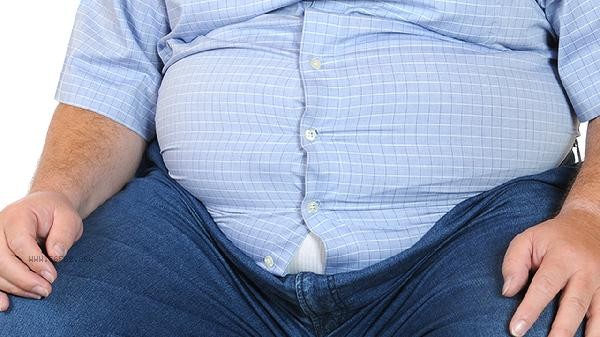
1. Adjust dietary structure
Prioritize high protein, low glycemic index foods, such as eggs, oats, broccoli, etc., to replace refined carbohydrates and high sugar snacks. Three meals a day are scheduled and quantified to avoid skipping the main meal. Parents need to help their children control their single meal intake and use smaller utensils to hold food. The main cooking method is steaming and stewing, reducing the intake of fried foods.
2. Increase physical activity
Ensure 60 minutes of moderate to high-intensity exercise every day, such as skipping rope, swimming, basketball, and other aerobic exercises, combined with 2-3 resistance training sessions per week. The intensity of exercise should be gradually increased to avoid excessive fatigue. Parents can accompany and participate in family sports to cultivate long-term exercise habits. School physical education classes and extracurricular activities should be fully utilized.
3. Ensure Adequate Sleep
Adolescence requires 8-10 hours of sleep per day. Lack of sleep can lead to reduced leptin secretion and increased ghrelin levels. Establish a fixed sleep schedule and avoid using electronic devices one hour before bedtime. The bedroom should maintain a dark and quiet environment, with room temperature controlled at 18-22 degrees Celsius.
4. Reduce sedentary behavior
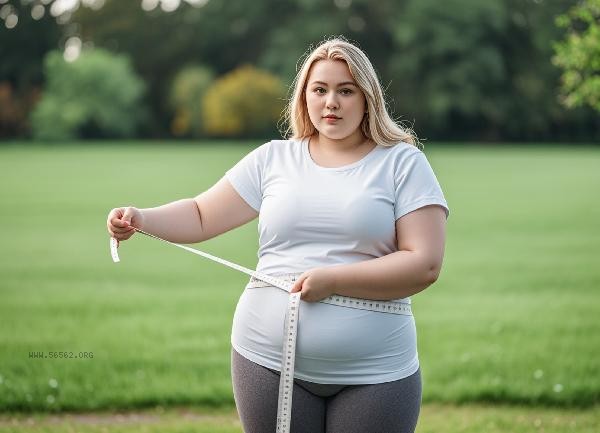
After studying for 40 minutes in a sitting position, stand up and move for 5 minutes, and control screen time within 2 hours per day. Use standing desks, walking calls, and other methods to increase non exercise heat consumption. Avoid maintaining the same posture for a long time, and be sure to leave your seat during breaks.
5. Psychological counseling support
Pay attention to psychological issues such as weight anxiety and avoid the pressure caused by peer comparison. Parents should lead by example and maintain a healthy lifestyle, not emphasizing weight figures but focusing on changes in body fat percentage. Schools can carry out body image education and seek guidance from professional psychological counselors when necessary. During the weight loss period for minors, it is necessary to regularly monitor their height and weight growth curves to ensure that their nutritional intake meets their growth and development needs. Before implementing any weight management plan, it is recommended to consult a pediatrician or nutritionist, and the use of weight loss drugs or meal replacement products is prohibited. Families and schools should work together to create a supportive environment and achieve healthy weight goals through long-term lifestyle adjustments.









Comments (0)
Leave a Comment
No comments yet
Be the first to share your thoughts!