
Seborrheic hair loss during weight loss is usually related to malnutrition caused by a sudden drop in weight in the short term, and dietary adjustments should be made to maintain a stable weight loss rate. Excessive dieting can lead to insufficient intake of protein, zinc, iron, and B vitamins, which are crucial for the hair growth cycle. When the daily calorie intake suddenly falls below 30% of the basal metabolic requirement, the hair follicles will enter the resting period in advance, manifested as a significant increase in hair loss when washing or combing hair. The typical feature is greasy hair with fine and soft hair loss, which is more prominent on the forehead and top of the head. Correcting this type of hair loss requires gradual calorie supplementation, increasing daily intake by 100-200 calories, and prioritizing foods rich in biotin such as salmon, eggs, spinach, etc. Oral compound vitamin B combined with zinc containing preparations such as zinc gluconate oral solution can help improve the condition. If accompanied by scalp itching or erythema, short-term use of ketoconazole detergent can be used to control oil secretion. Maintaining a weekly weight loss rate of no more than 1% of body weight, combined with regular aerobic exercise, can effectively prevent hair loss from worsening.
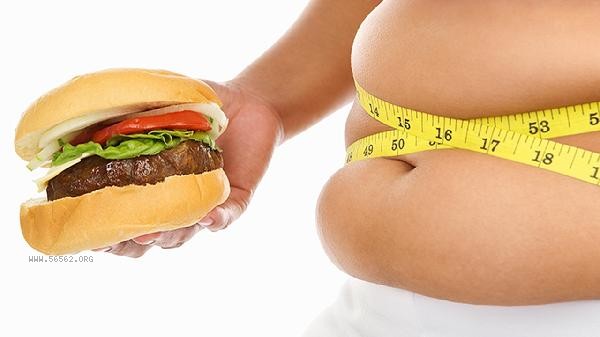
It is recommended to develop a scientific weight loss plan under the guidance of a nutritionist to avoid long-term single diet. Ensure daily intake of high-quality protein the size of your palm and supplement with appropriate nut based foods. If hair loss persists for more than 3 months after adjusting lifestyle, it is necessary to seek medical attention from a dermatologist to rule out other types of hair loss causes.









Comments (0)
Leave a Comment
No comments yet
Be the first to share your thoughts!