
Chinese medicine slimming and weight loss methods mainly include adjusting the diet structure, Chinese medicine conditioning, acupuncture and moxibustion therapy, massage, exercise regimen, etc. Traditional Chinese medicine believes that obesity is often related to spleen and stomach disorders, phlegm and dampness accumulation, and poor qi and blood circulation, and requires comprehensive regulation to improve physical fitness.
1. Adjust dietary structure
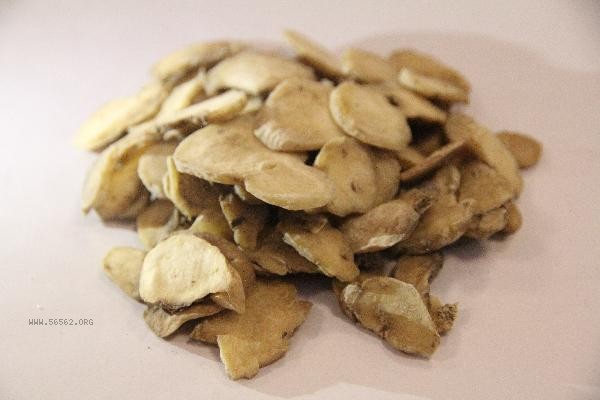
Traditional Chinese medicine advocates a balanced diet and recommends choosing foods that strengthen the spleen and eliminate dampness, such as yam, coix seed, adzuki beans, etc., to avoid fatty, sweet, and rich flavors. Can be paired with medicinal and edible ingredients such as lotus leaves and hawthorn to boil water instead of tea, helping with digestion and stagnation. Diet should be timed and quantified, chewed slowly, and dinner should not be eaten too late.
2. Traditional Chinese Medicine Treatment
According to the differentiation of constitution, traditional Chinese medicine formulas can be used. For phlegm dampness type, Er Chen Tang can be modified, for spleen deficiency type, Shen Ling Bai Zhu San can be used, and for qi stagnation and blood stasis type, Xue Fu Zhu Yu Tang can be selected. Common single herbs such as Cassia seed, Gynostemma pentaphyllum, and Alisma have lipid-lowering effects. Traditional Chinese medicine practitioners should prescribe prescriptions based on syndrome differentiation to avoid long-term use of laxative drugs on one's own.
3. acupuncture and moxibustion therapy
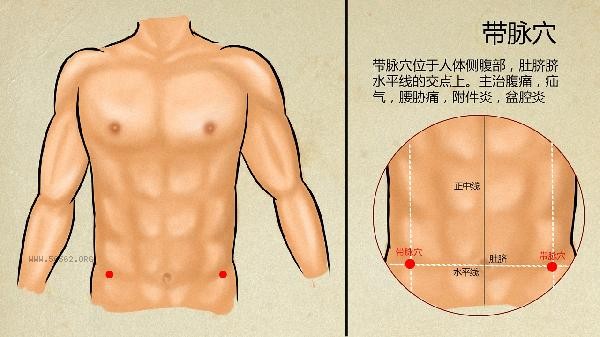
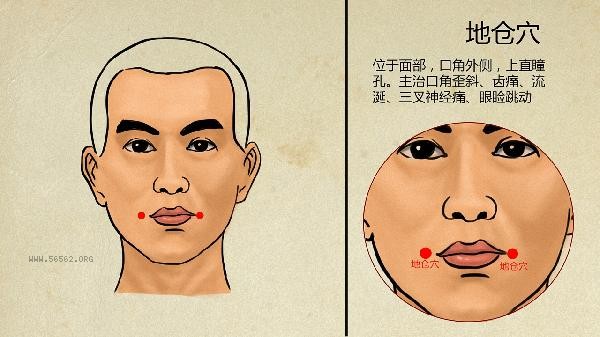
regulates gastrointestinal function by stimulating Tianshu, Zusanli, Fenglong and other acupoints, and inhibits hyperappetite. Ear acupressure is commonly applied to areas such as hunger points and endocrine points. Continuous treatment for 10-15 times is required as one course of treatment, and the effect is better when combined with dietary control. Pregnant women and those with bleeding constitution should use with caution.
4. Massage
Clockwise rubbing of the abdomen can promote intestinal peristalsis, and clicking on acupoints such as Zhongwan and Guanyuan can strengthen the spleen and reduce fat. Meridian massage focuses on unblocking the spleen meridian and stomach meridian, combined with scraping therapy to improve local circulation. Attention should be paid to gentle techniques, and it is not advisable to operate within 1 hour after meals or skin damage.
5. Exercise and Health
recommends traditional guidance techniques such as Ba Duan Jin and Wu Qin Xi, as well as aerobic exercises such as brisk walking and swimming. The best exercise time is in the morning when the yang energy is rising. Hold it 3-5 times a week, and sweat slightly for more than 30 minutes each time. Avoid severe exercise that can damage joints, and pay attention to replenishing water before and after exercise.
Traditional Chinese Medicine emphasizes gradual weight loss, establishing a reasonable daily routine, ensuring sufficient sleep, and avoiding staying up late and damaging the spleen. Maintaining a relaxed mood helps regulate liver qi and can be combined with meditation to regulate emotions. During the weight loss period, the monthly weight loss should not exceed 5% of the body weight. If discomfort such as palpitations and fatigue occurs, the plan should be adjusted in a timely manner. It is recommended to develop a personalized conditioning plan under the guidance of a professional traditional Chinese medicine practitioner to avoid blind dieting or excessive reliance on a single therapy.








Comments (0)
Leave a Comment
No comments yet
Be the first to share your thoughts!