
To clean up oil stains, you can try common ingredients such as white vinegar, baking soda, dishwashing detergent, lemon juice, flour, etc. These materials are safe and environmentally friendly, suitable for daily household use.
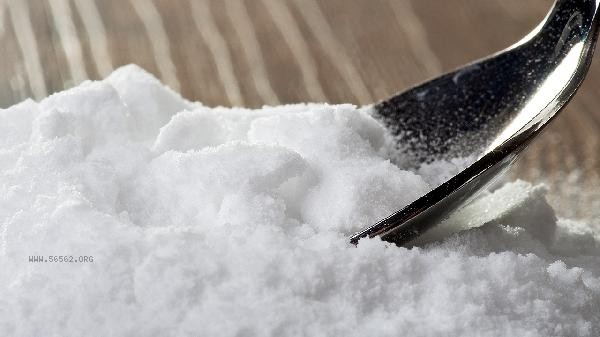
1. White Vinegar
White vinegar contains acetic acid, which can dissolve oil stains and is suitable for cleaning areas with heavy oil stains such as kitchen countertops and stoves. When using, white vinegar can be mixed with water in proportion, sprayed on the oil stain and left to stand for a moment before wiping. White vinegar also has antibacterial properties and can help remove odors. For stubborn oil stains, the concentration of white vinegar can be appropriately increased or the settling time can be extended.
2. Baking soda
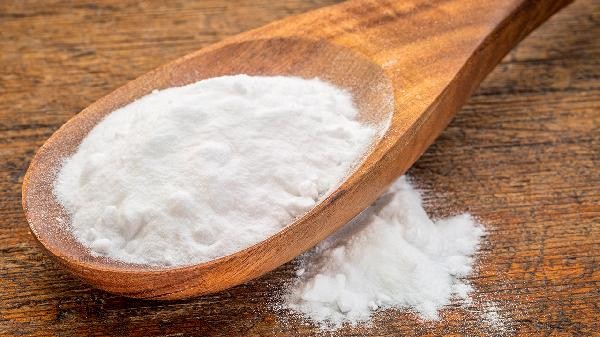
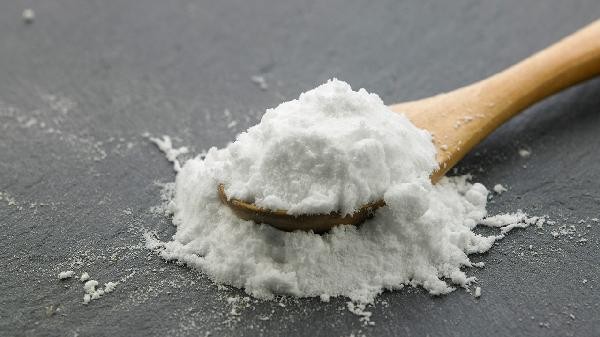
Baking soda is a weakly alkaline substance that can undergo saponification reaction with oil and is suitable for cleaning heavy oil contaminated areas such as ovens and range hoods. When using, you can mix baking soda into a paste and apply it to the oil stains, let it stand, and then scrub it. Baking soda can also absorb odors, clean and improve air quality. For thicker oil stains, hot water can be used to enhance the cleaning effect.
3. Dishwashing detergent
Dishwashing detergent contains surfactants that can effectively decompose oil stains, making it suitable for cleaning daily oil stains such as tableware and stoves. When used, it can be directly applied or diluted before use, and the effect is better when combined with hot water. Choosing neutral detergent can avoid damaging the surface of items. For stubborn oil stains, they can be pre treated with detergent before scrubbing.
4. Lemon Juice
Lemon juice contains citric acid, which has a natural ability to remove oil stains and is suitable for cleaning faucets, stainless steel utensils, etc. Lemon juice can be applied directly or mixed with salt to remove oil and polish the surface. Lemon fragrance can also mask kitchen odors. For minor oil stains, wiping with lemon peel can also achieve a cleaning effect.
5. Flour
Flour can absorb oil and is suitable for cleaning oil stains on carpets and fabrics. When using, sprinkle flour on the oil stain and clean it up after it absorbs the oil. For fresh oil stains, flour has a more significant adsorption effect. Flour can also be mixed with other cleaning agents to enhance its cleaning ability without damaging the material.
When cleaning oil stains on a daily basis, it is recommended to choose the appropriate cleaning method based on the degree of oil contamination and material characteristics. For minor oil stains, you can first wipe the surface grease with a tissue or cloth before performing a deep cleaning. Regular cleaning can prevent oil accumulation and maintain kitchen hygiene. When using natural cleaning materials, pay attention to testing whether they will cause damage to special materials, and rinse them with clean water in a timely manner after cleaning. Stubborn oil stains may require multiple treatments or professional cleaning agents. For severe oil accumulation, it is recommended to seek professional cleaning services.








Comments (0)
Leave a Comment
No comments yet
Be the first to share your thoughts!