
The raw materials of sesame oil mainly include sesame, peanut, sunflower seed, flaxseed, walnut, etc. Fragrance oils made from different raw materials have differences in flavor and nutritional content, and can be selected according to personal taste and nutritional needs.

1. Sesame
Sesame is the most common raw material for making sesame oil, rich in vitamin E, unsaturated fatty acids, and minerals. Sesame oil has a strong flavor and is often used for cold dishes and seasoning. Sesamin in sesame has antioxidant properties and helps protect cardiovascular health. Moderate consumption of sesame oil can promote digestion and improve skin condition. When choosing sesame oil, it is recommended to choose products with darker colors and pure fragrance.
2. Peanuts
The sesame oil made from peanuts has a unique nutty aroma and contains high levels of protein and monounsaturated fatty acids. Peanut sesame oil is suitable for stir frying and making sauces, which can add flavor to dishes. Resveratrol in peanuts has anti-inflammatory effects, but peanut allergy sufferers should avoid consuming it. Peanut oil has good stability at high temperatures and is suitable for Chinese cooking methods. When storing, it is necessary to pay attention to avoiding light and sealing to prevent oxidation and deterioration.
3. Sunflower Seed
Sunflower seed oil is rich in vitamin E and linoleic acid, with a light taste and a high smoke point. Sunflower seed oil is suitable for high-temperature cooking and can maintain the original flavor of food. The plant sterols in it help reduce cholesterol and are beneficial for cardiovascular health. Sunflower seed sesame oil has a lighter color and is suitable for making salads and baked goods. Choosing the cold pressing process to produce sunflower seed oil can retain more nutrients.

4. Flaxseed
Flaxseed oil contains abundant alpha linolenic acid, which is an important source of plant-based omega-3 fatty acids. Flaxseed oil has a special nutty flavor, but is not resistant to high temperatures and is suitable for cold mixing or direct consumption. The lignans in flaxseed oil have antioxidant and hormone regulating effects. After opening, it should be refrigerated to avoid oxidation and deterioration. Flaxseed oil is suitable for pairing with yogurt or salad to improve nutrient absorption.
5. Walnut
Walnut oil contains rich polyunsaturated fatty acids and melatonin, with a unique nutty aroma. Walnut oil has a high content of alpha linolenic acid, which is beneficial for brain function. Suitable for making desserts and cold dishes, it can add flavor to food. Walnut oil is not resistant to high temperatures, it is recommended to use it at low temperatures to preserve its nutritional content. Moderate consumption of walnut oil can help improve memory and sleep quality.
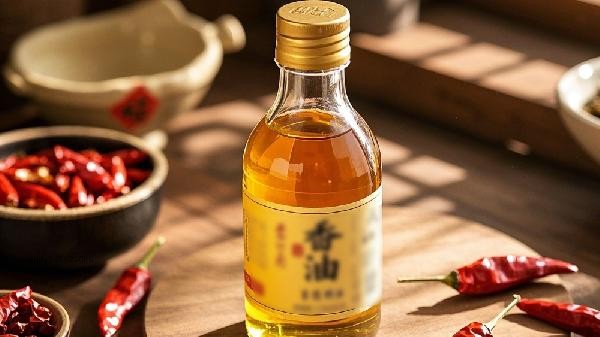
When choosing sesame oil, it can be combined according to cooking methods and nutritional needs. Different raw materials of sesame oil can be used alternately to obtain more comprehensive nutrition. It is recommended to prioritize the use of sesame oil produced by cold pressing technology, which can better preserve the nutritional components in the raw materials. After opening, it should be sealed and stored away from light, avoiding high temperatures and humid environments. Adding sesame oil in moderation to daily diet can not only enhance the flavor of dishes, but also supplement various beneficial fatty acids and antioxidants. Special populations such as those with allergies should carefully choose raw materials and seek advice from professional nutritionists if necessary.








Comments (0)
Leave a Comment
No comments yet
Be the first to share your thoughts!