
The simplest methods for storing rapeseed include refrigeration, freezing, and air drying.
1. Refrigerate and store
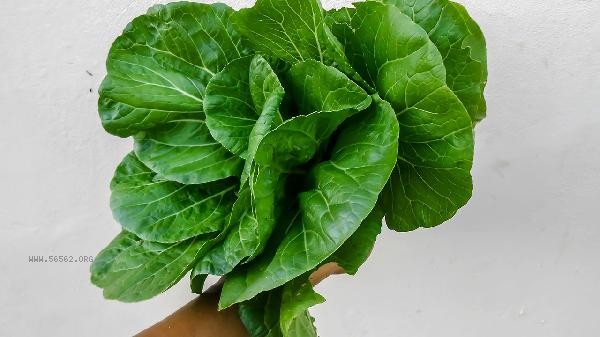
Wash fresh rapeseed, drain off water, wrap it in kitchen paper, and put it in a fresh-keeping bag. Drain the air from the bag and seal it. The refrigeration temperature is controlled at 0-4 degrees Celsius and can be stored for 3-5 days. Be careful not to stack directly after cleaning to avoid leaf decay. Removing yellow leaves before refrigeration can extend the shelf life, and regular inspections and removal of spoiled leaves should be carried out during storage.
2. Cryopreservation
After blanching rapeseed for 30 seconds, immediately supercool it, drain it, and then pack it into sealed bags for freezing. Freezing storage can maintain nutrients for 2-3 months without loss, and it is suitable for making soup or stir frying after thawing. Adding a small amount of salt during blanching can maintain the emerald green color, and packaging according to a single dose is more convenient for use. Frozen rapeseed will become soft in texture and is not suitable for cold mixing.
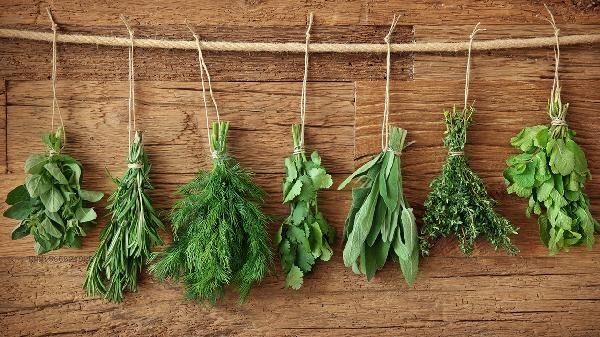
3. Dry and store
After washing the rapeseed, hang it in a ventilated place and dry it in the shade, or use a food dryer to dehydrate it. After completely drying, put it in a sealed jar and store it in a cool and dark place for six months. Soak and rehydrate before consumption, suitable for stewing dishes. During the drying process, avoid direct sunlight and regularly flip to ensure even dehydration. The best drying degree is when the leaves are crispy and folded.
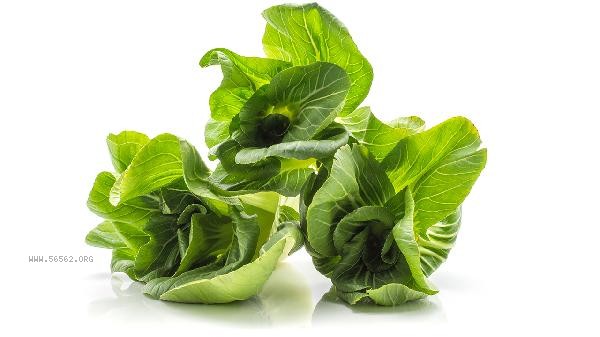
When storing rapeseed in daily life, refrigeration is preferred to maintain the best taste. When harvesting in large quantities, freezing or drying is more conducive to long-term storage. Regardless of the method, diseased and rotten leaves should be removed before storage to avoid crushing damage during the processing. Frozen rapeseed has less nutrient loss, but it can alter its texture; Drying rapeseed results in significant vitamin loss but has the longest storage period. Choose the appropriate storage method according to cooking needs. It is recommended to refrigerate rapeseed for short-term consumption, and to use a combination of freezing and air drying methods for long-term storage. The preserved rapeseed should be thoroughly heated before consumption to avoid the risk of microbial contamination.








Comments (0)
Leave a Comment
No comments yet
Be the first to share your thoughts!