
The identification of wine quality can be achieved through three simple methods: observing the color of the wine, smelling the aroma characteristics, and tasting the taste hierarchy. High quality wines typically have clear and transparent colors, complex and harmonious aromas, and a balanced and long-lasting taste experience.
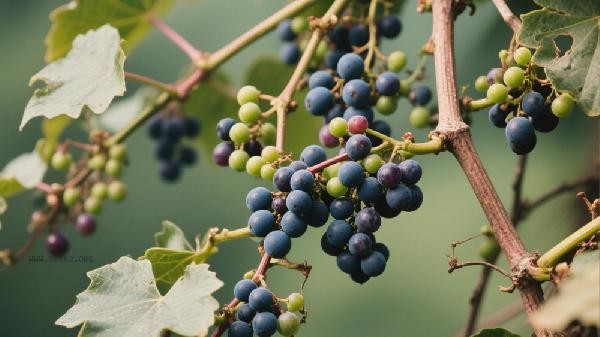
1. Observe the color of the wine
Pour the wine into a transparent glass and tilt it at a 45 degree angle. Observe the edge color band against a white background. Red wine should present a purple red hue when young, and turn brick red after aging; White wine has a green reflection when fresh, and appears amber after oxidation. Turbidity or suspended solids in the liquor may indicate improper storage. High quality liquor is transparent and free of impurities. Pay attention to the phenomenon of tears hanging in the glass during drinking, as high alcohol or sugar content can form a slowly declining wine column.
2. Aroma Characteristics
Shake the glass lightly to release the aroma and quickly smell it. High quality wine will exhibit three types of aromas: one is the fruity aroma of the grape variety itself, such as blackcurrant, citrus, etc; The second type is yeast aroma or baking aroma from the fermentation process; The three types are complex odors such as spices and leather produced by aging. Poor quality wine may have adverse odors such as acetic acid and moldy taste. The richer the aroma level, the longer the duration, and usually the higher the quality.
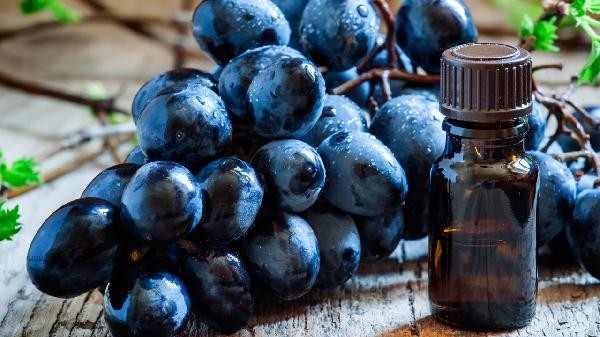
III. Taste Level
Sip a small amount of wine and let it sit in your mouth for 8-10 seconds to feel the balance of sweetness, acidity, tannins, and alcohol. High quality red wine has delicate tannins like silk, while white wine has a refreshing acidity like green apples. The length of aftertaste is an important indicator. The flavor of ordinary quality wine will quickly dissipate, while the aftertaste of top-quality wine can last for more than 30 seconds. Pay attention to any taste defects such as bitterness and burning sensation, which may indicate brewing process issues.
When tasting in daily life, it can be paired with tasteless cookies to clean the taste buds and avoid tasting wine after eating spicy food. Storing wine requires maintaining a constant temperature of 12-18 degrees Celsius, humidity of around 70%, and placing it flat in the dark to prevent the cork from drying out. After opening the bottle, it can be stored with a vacuum stopper. Red wine is recommended to be consumed within 3 days, and white wine is best consumed on the same day. When choosing wine, there is no need to overly pursue vintage and price. The key is to suit your taste preferences.








Comments (0)
Leave a Comment
No comments yet
Be the first to share your thoughts!