
The texture and taste of turtle meat are similar to chicken or rabbit meat, with delicate and firm characteristics, and a unique seafood flavor. Turtle meat is rich in high-quality protein, collagen, vitamin A, and minerals, making it suitable for people with weak constitutions to consume. However, people with high uric acid levels need to control their intake.
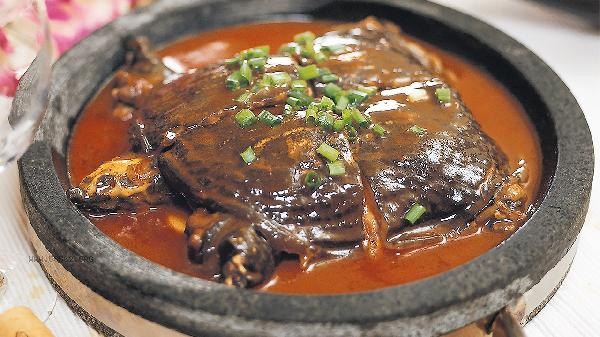
The flesh fibers of turtles are delicate, and when chewed, they have both the elastic texture of poultry and a sweet taste similar to fish due to their living habits. The skirt edge is rich in gum, and after cooking, it appears semi transparent, similar in taste to pork or beef tendon, but softer and easier to melt. The cooking method has a significant impact on the flavor, with clear stew highlighting the freshness, while braised meat is closer to sauce flavored meat. Turtle blood and bile have a special fishy odor that requires professional treatment to remove, otherwise it will affect the overall flavor experience.
As a nourishing ingredient, turtle is often paired with traditional Chinese medicine, but excessive consumption may lead to indigestion. It is recommended to choose artificially cultivated ecological turtles, as wild turtles may accumulate heavy metals. When consumed, ginger and yellow wine can be used to remove fishy smell. People with spleen and stomach deficiency should avoid eating on an empty stomach. The gelatinous substance formed by the cooling of turtle soup is due to the coagulation of collagen, which can be continued to be consumed after heating to retain nutrients.








Comments (0)
Leave a Comment
No comments yet
Be the first to share your thoughts!