
The non stick dumpling skin can be solved by adjusting the dough ratio, controlling the water temperature, thoroughly kneading the dough, allowing it to stand and rise, and using auxiliary materials.
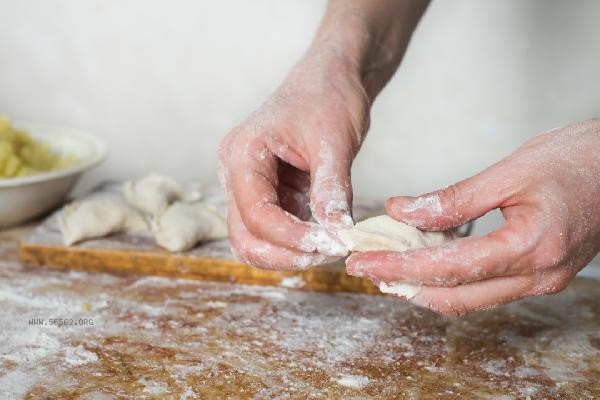
1. Adjusting the dough ratio
The ratio of flour to water directly affects the viscosity of dumpling wrappers. It is usually recommended to add about 230 milliliters of water per 500 grams of flour, depending on the flour's water absorption. Too little water can cause the dough to dry and hard, making it difficult to bond, while too much water can make the dough too soft and easy to break. Middle gluten flour is more suitable for making dumpling wrappers, as its protein content is moderate and can balance extensibility and stickiness. When kneading, water can be added in batches and the dough condition can be observed and adjusted.
2. Control water temperature
Using water at 30-40 degrees Celsius can better activate the gluten protein in flour and enhance dough stickiness. Cold water can slow down the formation of gluten, while hot water may damage the gluten structure. It is recommended to use slightly higher water temperature in winter, and use ice water to delay fermentation in summer. Water temperature control needs to be adjusted in conjunction with environmental humidity. In dry environments, the water temperature can be appropriately increased to increase the flexibility of the dough.
3. Fully knead dough
Hand knead dough for at least 15 minutes until the surface of the dough is smooth and elastic. The kneading process can fully form a network structure of gluten, enhancing the extensibility and adhesion of the dough. The machine kneading time can be shortened to 8-10 minutes, but attention should be paid to observing the dough condition. It is best to knead the dough until the film can be pulled out without easily breaking, at which point the gluten reaches its optimal state.
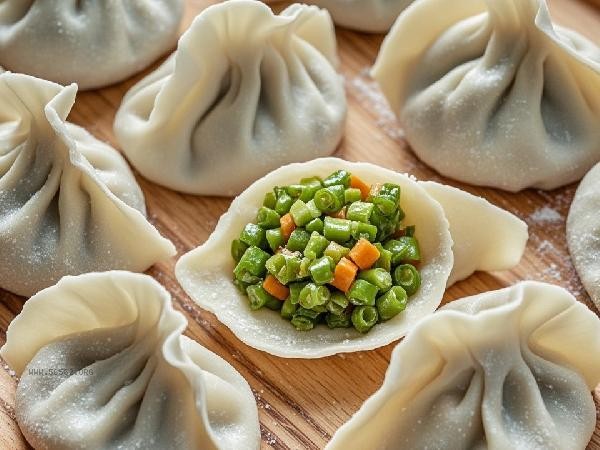
4. Let it stand and let it rise.
The kneaded dough should be covered with a damp cloth and let it rise for 20-30 minutes to allow the moisture to evenly penetrate the flour particles. The awakening process can rearrange the loose gluten and enhance the plasticity of the dough. The most suitable temperature for waking up is around 25 degrees Celsius, as high temperatures can easily cause the dough surface to dry and crack. After waking up, the dough should be kneaded again to release air and make the tissue more delicate.
5. Adding a small amount of salt when using auxiliary materials
and flour can strengthen gluten. Adding 3 grams of salt per 500 grams of flour is sufficient. The protein of egg white can enhance viscosity and is suitable for making Steamed dumplings skin. A small amount of starch can improve ductility, but excessive amount can reduce viscosity. When making dumplings, dipping the edges of the dumpling skin in water or egg mixture can significantly improve the bonding effect at the sealing point.
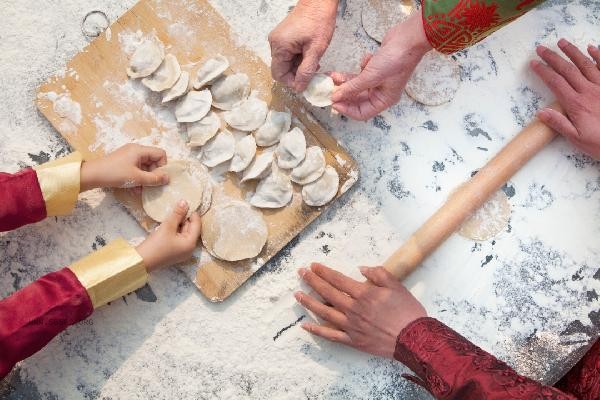
When making dumpling wrappers, attention should be paid to the influence of environmental temperature and humidity. In dry weather, the amount of water can be appropriately increased or covered with a damp cloth to prevent drying and cracking. If you find it hard after kneading, you can dip it in water and rub it to remedy it. If it is too soft, you need to sprinkle dry powder. During packaging, keep the filling dry to avoid water seepage, and apply even kneading force. The remaining dough can be refrigerated for storage, but should not exceed 24 hours. When using, it needs to be warmed and kneaded to restore elasticity. Mastering these techniques can systematically solve the problem of non stick dumpling skins and improve the quality of finished products.








Comments (0)
Leave a Comment
No comments yet
Be the first to share your thoughts!