
Cooking rice that is too wet can be improved by adjusting the amount of water, controlling the heat, extending the cooking time, using water absorbing tools, or reheating.
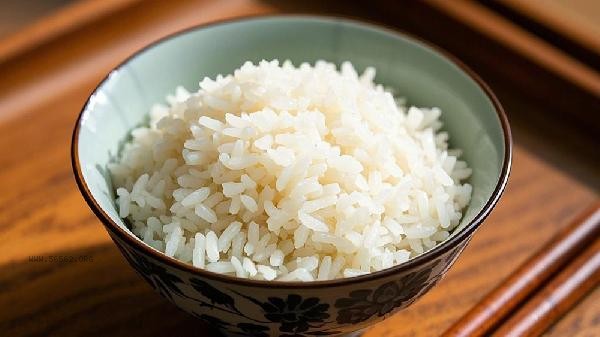
1. Adjust water volume
The ratio of rice to water when cooking rice is usually 1:1.2 to 1:1.5, which needs to be adjusted according to the type of rice. The high moisture content of new rice can reduce the amount of water, while aged or brown rice needs to be appropriately increased. Use a measuring cup for precise measurement, avoiding adding water based on experience. If too much water has been added, pour out the excess water and continue cooking.
2. Control the heat
After boiling, it is necessary to turn down the heat in a timely manner. Continuous high heat will cause slow evaporation of water. The rice cooker can choose the fast cooking mode to reduce the water absorption time, while traditional stoves need to observe the steam volume to adjust the firepower. Avoid frequent lid opening inspections during the cooking process to prevent temperature fluctuations from affecting water balance.
3. Extended Stewed Rice
After turning off the power, continue to stew for 15-20 minutes, using the remaining temperature to evenly absorb moisture. Dry towels can be placed on the bottom of the pot to enhance insulation, but safety should be taken into account. If the rice is still damp, you can loosen the rice grains and cover them with a lid, then simmer for 5 minutes.
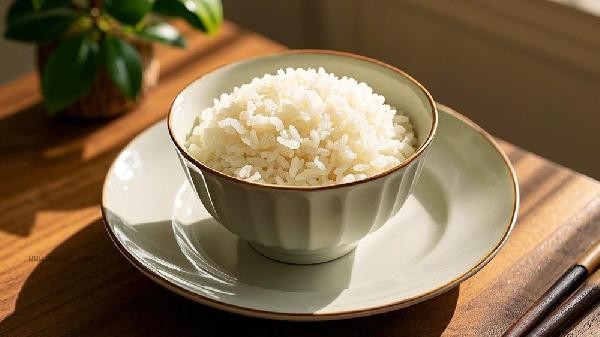
4. Water absorption treatment
Spread clean gauze or kitchen paper on the rice surface to absorb surface moisture. It can also be mixed with a small amount of fried glutinous rice flour or bread crumbs to improve texture. In extreme cases, rice can be spread flat on a baking tray and dried in an oven at low temperature for 10 minutes.
5. Reprocessing
Spread out wet rice to cool it and make it into Fried Rice. Evaporate water through high temperature. Or add ingredients such as eggs and vegetables to make stewed rice. It can also be heated in a microwave oven in stages, with medium heat for 1 minute each time before stirring and repeating until the humidity is suitable.
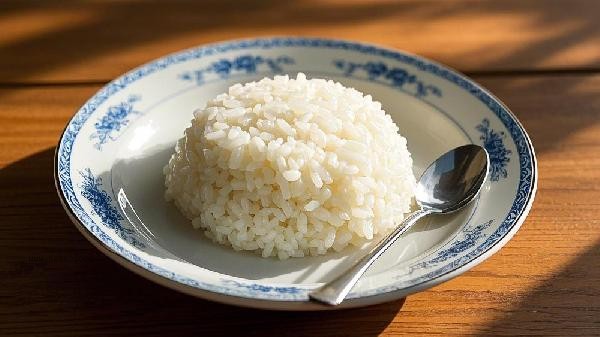
It is recommended to use suitable cooking utensils for daily cooking, as the inner scale of the rice cooker makes it easier to control the water volume. Water consumption needs to be adjusted in different seasons, and can be reduced by 10% during high humidity in summer. Soaking rice for 20 minutes before cooking can improve water absorption uniformity, but the amount of cooking water should be reduced accordingly after soaking. If cooking rice becomes too wet for a long time, check whether the sealing ring of the rice cooker is aging and causing steam leakage. After mastering these techniques, one can not only avoid wasting food, but also obtain rice with a moderate taste.








Comments (0)
Leave a Comment
No comments yet
Be the first to share your thoughts!