
Selecting fresh pork can be accomplished through five key steps: observing color, touching elasticity, smelling odor, checking fat layer, and checking quarantine signs.
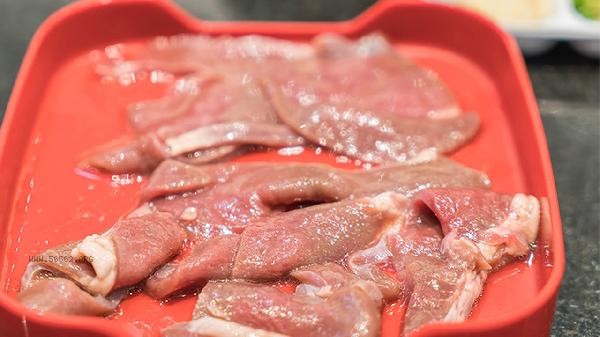
1. Observe the color.
The muscle part of fresh pork is uniformly light red or pink, with a glossy surface and a white or milky fat layer. The color of spoiled pork is dark, appearing deep red or purple red, with a yellowish or grayish green fat layer. The color of the pork injected with water is light, the muscle fibers are loose, and there is water seepage on the surface.
2. Touch Elasticity
Gently press the surface of the pork with your fingers. Fresh pork has a tight and elastic texture, and the depression immediately recovers after pressing. Rotten pork has a sticky texture and is difficult to recover when pressed. Frozen pork should maintain its elasticity after thawing, as it may experience repeated freeze-thaw cycles if it feels soft to the touch.
3. Smell
Fresh pork has a slight fishy smell but no odor, while spoiled pork may emit a sour or putrid odor. The smell of pork injected with water is relatively light, and some unscrupulous vendors may use chemical agents to mask the odor. Be alert to the pungent chemical smell.
4. Check the fat layer.
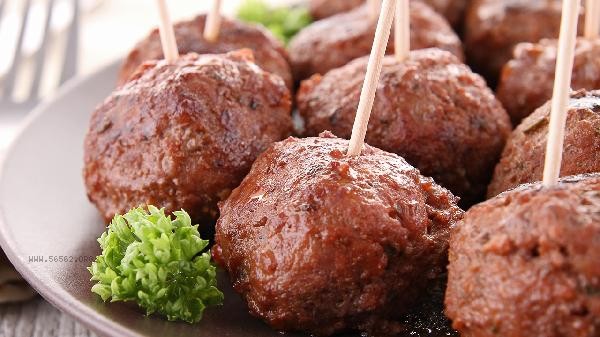
High quality pork has uniform fat distribution, moderate thickness, and delicate texture. The fat layer of dead pigs may have bruising points or abnormal thickening. Pork with lean meat powder added to feed has an extremely thin fat layer and a clear boundary between muscle and fat.
5. Viewing Quarantine Marks
Pork sold through legitimate channels should have a blue quarantine inspection seal, and the animal product quarantine certificate can be requested to be viewed when purchasing. Pork slaughtered privately or sold by unlicensed vendors poses food safety hazards and is not recommended for purchase.
It is recommended to choose regular supermarkets or brand cold fresh meat counters to purchase and avoid mobile vendors. Refrigerate and store within 2 hours after purchase, and package and seal for frozen storage. Rinse with running water before cooking, and separate the cutting board for handling raw meat from cooked food. Pork should be thoroughly heated to a center temperature of over 70 degrees Celsius to avoid consuming undercooked pork products. Special populations such as pregnant women, infants, and those with low immunity are recommended to choose pork products that are organic certified or traceable to their source.








Comments (0)
Leave a Comment
No comments yet
Be the first to share your thoughts!