
Homemade sesame oil can be easily mixed with stir fried sesame seeds and cold pressed oil, using fresh white sesame seeds and high-quality vegetable oil. The production process mainly includes three key steps: sesame roasting, oil ratio, and low-temperature mixing. The finished product needs to be stored in a dark sealed environment.
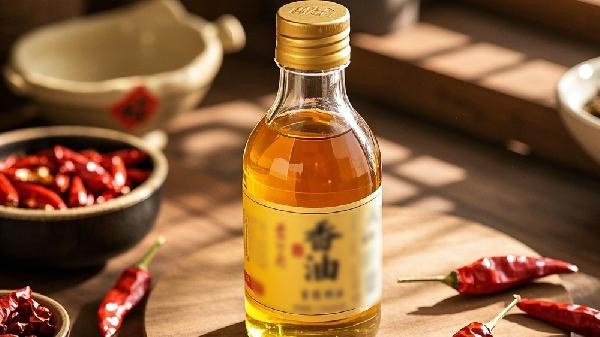
1. Raw Material Selection
When making sesame oil, it is necessary to select white sesame seeds that are plump in particles and free from mold. Sesame seeds need to be screened to remove impurities. It is recommended to choose corn oil or sunflower seed oil with a light odor for vegetable oil, and avoid using strong smelling oils such as peanut oil that can affect the flavor of the finished product. The ratio of sesame to vegetable oil should be controlled between 1:3 and 1:5, and the concentration can be adjusted according to personal taste.
2. Sesame Processing
Raw sesame seeds need to be slowly stir fried over low heat until they turn slightly yellow and have a fragrant aroma. During the process, keep flipping to avoid burning. The sesame seeds that have been stir fried should have a uniform light brown color and emit a nutty aroma. After cooling, they should be ground into semi granular form. Be aware that excessive frying can produce a bitter taste. It is recommended to use a thick bottomed pan to maintain even heating.
III. Oil Mixing
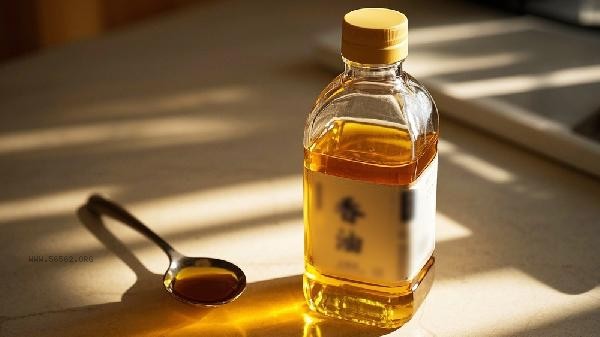
Pour ground sesame seeds and room temperature vegetable oil into a sealed container, and slowly stir with a stirring rod to allow the oil to soak. After mixing, let it stand for 24 hours to allow the aroma to blend, and during this time, gently shake to accelerate the fusion. Filter the residue with fine gauze before use to obtain a clear fragrant oil liquid. The fragrance of the sesame oil produced by this method is lighter than that of the direct pressing method, but the shelf life can reach 3 months.

Homemade sesame oil should be stored in dark glass bottles and kept in a cool place. It is recommended to refrigerate after opening. When used in daily life, it can be paired with cold dishes, soups, or dipping sauces. High temperature cooking can cause the aroma to evaporate. People who are allergic to sesame should avoid consumption, and if there is a rancid taste of oil, they should stop using it immediately. If you need a richer flavor, you can try roasting sesame seeds twice or adjusting the oil ratio.








Comments (0)
Leave a Comment
No comments yet
Be the first to share your thoughts!