
Identifying high-quality aged vinegar can be comprehensively judged through methods such as observing color, smelling odor, tasting taste, looking at hanging walls, and checking labels. The quality differences of aged vinegar are mainly reflected in the raw materials, fermentation process, and storage time.
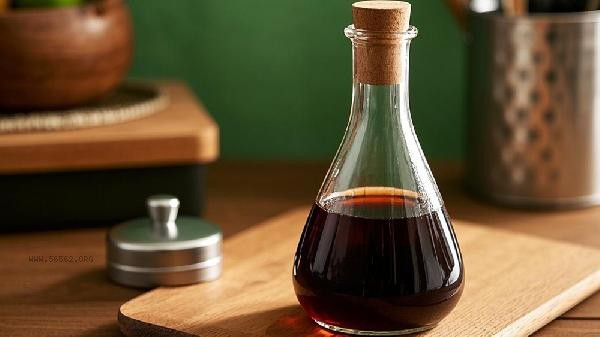
1. Observe the color
High quality aged vinegar appears reddish brown or amber, transparent and clear without suspended solids. Poor quality vinegar may turn black or too light in color, and may contain caramel coloring. Traditional solid-state fermented vinegar may naturally precipitate due to prolonged aging, which is a normal phenomenon, but cloudy liquid may spoil.
2. Smell
Authentic aged vinegar has a rich and mellow ester aroma, with a complex aroma of fermented grains. Poor quality vinegar has a pungent or obvious acidic odor, and some adulterated products may add glacial acetic acid to produce a pungent odor. You can drop vinegar on the back of your hand and rub it hot before smelling it. The high-quality vinegar aroma lasts for a long time.
III. Taste
High quality aged vinegar has a soft sour taste on the palate, a sweet and lingering aftertaste, and a slight burning sensation in the throat. Poor quality vinegar has a sharp and pungent taste, with a bitter aftertaste. When tasting, you can dip a small amount into the base of your tongue. The sour taste of high-quality vinegar will slowly release, and there will be a grain fragrance in your mouth after swallowing.
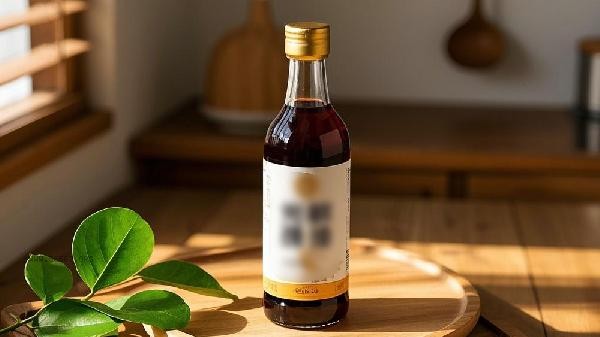
Fourth, observe the hanging wall
After shaking the vinegar bottle, observe the wall. High quality aged vinegar will form a uniform and slow downward hanging wall phenomenon, commonly known as "vinegar tears". Blended vinegar will quickly flow down due to insufficient viscosity. The hanging time is related to the amino acid and sugar content of vinegar, and the longer the aging time, the more obvious the hanging effect.
5. Check the label
to see if the product meets the GB/T18187 solid-state fermentation standard. The ingredients should only include water, grains, bran, and salt. Avoid choosing products containing preservatives such as sodium benzoate. Legitimate manufacturers will label the total acidity, and high-quality aged vinegar typically has an acidity exceeding 4.5g/100ml.
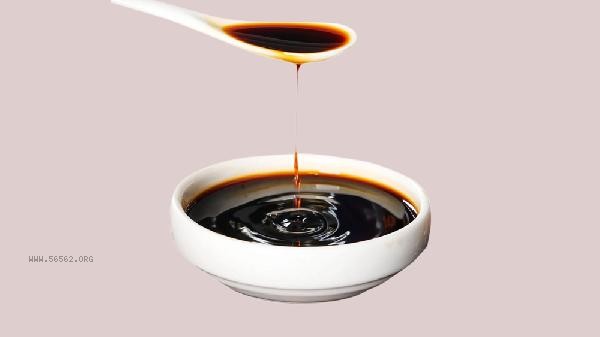
It is recommended to choose glass bottle packaging for daily purchase of aged vinegar and avoid direct sunlight for storage. After opening, it should be refrigerated and consumed as soon as possible. If a film like substance is found on the surface of the vinegar, it should be stopped from consumption. High quality aged vinegar can be paired with dumplings and cold dishes for consumption. Moderate consumption can help promote appetite and digestion, but those with excessive stomach acid should control their intake. Long term storage of aged vinegar may cause color darkening and sedimentation, which is a normal phenomenon and does not affect consumption.








Comments (0)
Leave a Comment
No comments yet
Be the first to share your thoughts!