
The correct methods for boiling Red bean soup include soaking the red bean, controlling the heat, adding water in batches, mixing in time, and seasoning. The key to the dense taste of Red bean soup is to fully release starch and avoid paste pot.
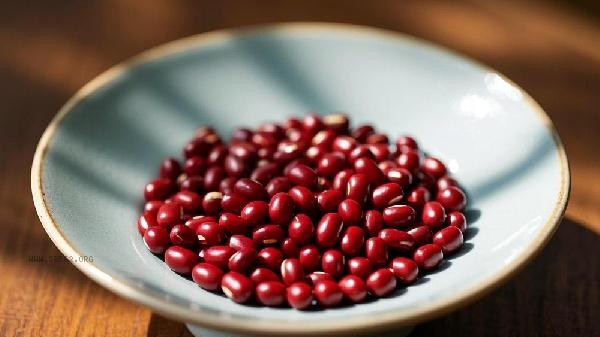
1. Soaking Red Beans
Dry red beans should be soaked in water for at least 6 hours in advance, and can be refrigerated in summer to prevent fermentation. Red beans that have fully absorbed water can shorten cooking time and make starch more easily gelatinized. If a pressure cooker is used, the soaking time can be shortened to 2 hours, but traditional open flame stewing must ensure sufficient soaking.
2. Control the heat
After boiling on high heat, immediately reduce the heat and simmer slowly, keeping the water surface slightly boiling. Steam the pressure cooker and adjust it to medium heat to maintain the pressure for 15 minutes, and then it will be soft and rotten. It will take more than 40 minutes to stew with open fire. If the heat is too high, it will cause the outer layer to boil and the inner core to get stuck, while if the heat is too low, it will prolong the boiling time.
3. Add water in batches
Add water for the first time that is less than 3 centimeters below the red beans. After boiling, pour out the astringent water to remove the bean odor. Add water twice the volume of the red beans for the second time, and retain a portion of the boiled bean water to adjust the consistency. During the final juicing stage, add a small amount of hot water according to the taste to avoid diluting the flavor by adding too much water at once.
4. Timely stirring
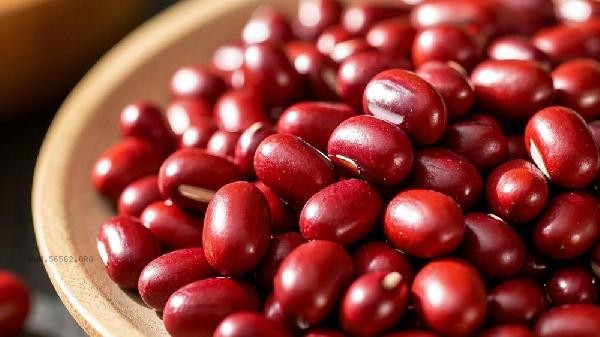
During the initial boiling stage, frequent stirring is required to prevent sticking to the bottom. After the bean skin breaks, it should be flipped every 10 minutes. Use a silicone spatula to push and scrape along the bottom of the pot, mechanical friction can accelerate the breakage of beans. During the juice harvesting stage, it is necessary to continue stirring until it falls in a silk like shape, at which point the starch is completely gelatinized to avoid clumping.
5. Seasoning and juicing
After the red beans are soft and tender, add rock sugar or granulated sugar at a dosage of 1/3 of the bean amount, and add a little salt to enhance the freshness. Traditional methods use lard to enhance fragrance, while modern improvements can use coconut oil as a substitute. After the sugar is completely melted, turn on medium heat to collect the juice. When the bottom is clearly visible after scratching with a wooden spoon, immediately remove from heat. The remaining temperature will make the texture thicker.
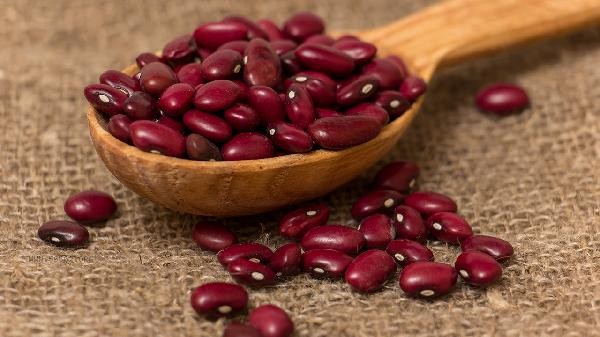
The prepared red bean paste can be refrigerated for 3 days, and packaged and frozen for 1 month. It is recommended to pair it with glutinous rice products such as small balls and rice cakes, or as a filling for bread. People with yin deficiency constitution can add lotus seeds and cook them together. People with diabetes can adjust their sweetness by substituting sugar. Attention should be paid to the high purine content in red beans. During the acute phase of gout, the consumption should be controlled. For those with weak digestive function, it is recommended to screen and remove the skin of the beans.








Comments (0)
Leave a Comment
No comments yet
Be the first to share your thoughts!