
The correct methods for cooking red bean Congee include soaking red beans in advance, controlling the heat, matching ingredients, paying attention to the amount of water and the timing of seasoning. Red bean Congee is rich in nutrition, with the effects of nourishing blood, skin, spleen and stomach, and is suitable for most people to eat.
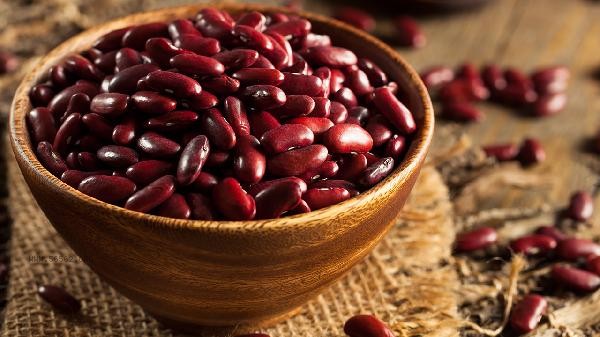
1. Pre soaking
Red beans have a harder texture and require a longer time to cook directly, making them less likely to rot. It is recommended to soak the red beans in water for at least 4 hours in advance, preferably overnight. After soaking, the volume of red beans will expand, the skin will become softer, and it is easier to cook until it rot. When soaking, the water should be sufficient to completely cover the red beans. During high temperatures in summer, it can be refrigerated and soaked to avoid spoilage. After soaking, the cooking time of red beans can be shortened by about half, and the taste is softer.
2. Control the heat
When cooking red bean Congee, it is necessary to master the heat change. First, bring the water to a boil over high heat, then add the red beans and simmer over low heat. After boiling over high heat, skim off the foam and keep the soup clear in color. Slow stewing over medium low heat can fully release nutrition of red beans, and the consistency of porridge soup is moderate. Avoid excessive heat throughout the entire process, as it can easily cause the base to become burnt and the red beans are not easily cooked to perfection. Using a clay pot or electric rice cooker for cooking yields better results and can maintain even temperature. Cook until the red beans blossom and the Congee is thick, then turn off the heat.
3. Matching Ingredients
Red beans can be paired with various ingredients to increase nutrition and flavor. Common combinations include nourishing ingredients such as red dates, lotus seeds, lilies, etc., which can enhance the effect of nourishing blood and calming the mind; You can also add glutinous rice, millet and other grains to enhance the viscosity and satiety of Congee. In winter, a small amount of ginger can be added to dispel cold, and in summer, it can be paired with mung beans to clear heat. Pay attention to the order of ingredients in the pot. Durable ingredients such as lotus seeds can be cooked together with red beans, while easy to cook ingredients such as red dates should be added last. The ingredients should be properly matched to avoid affecting the main flavor of red bean Congee.
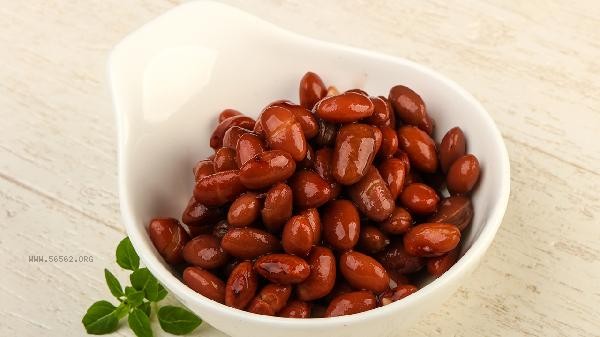
4. Pay attention to the amount of water
The amount of water used to cook red bean Congee directly affects the quality of finished products. Generally, the ratio of red beans to water is 1:8 to 1:10. If you like porridge, you can increase the amount of water. Add enough water for the first time to avoid affecting the taste if added midway. If water must be added, boiling water should be added instead of cold water. Soaked red beans can be used to reduce the amount of water appropriately. During the cooking process, it is important to observe the water level and stir in a timely manner to prevent sticking to the pot. When cooking with an electric rice cooker, the amount of water can be slightly reduced because the water evaporates less. The cooked red bean Congee should be moderately thick, and the red bean and porridge soup should be well blended.
5. Seasoning opportunity
The seasoning of red bean Congee should be well timed. Sugar condiments should be added when Congee is almost ready. Adding sugar too early will make red beans not easy to boil. Suggest adding rock sugar or brown sugar 10 minutes before turning off the heat to allow it to fully melt. Salt and other salty seasonings should be added last to avoid affecting the water absorption and swelling of red beans. If milk or coconut milk and other dairy products need to be added, they should be mixed after the temperature of Congee drops slightly to prevent protein denaturation and caking. Seasoning should be moderate, with a focus on highlighting the sweetness of red beans themselves.
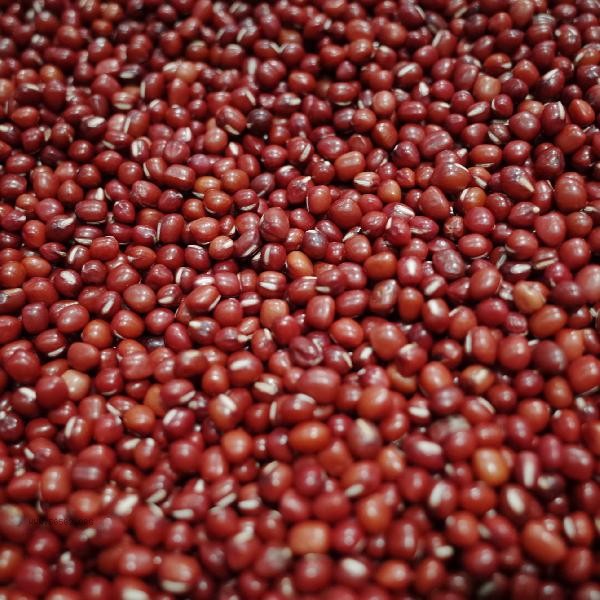
As a traditional health food, red bean Congee is recommended to be eaten 2-3 times a week. The cooked red bean Congee can be paired with whole wheat bread or Mantou made from coarse cereals as breakfast, which is more nutritious. For those with weak digestive function, the cooking time can be appropriately extended to cook the red beans until they are completely soft and tender. Red beans are rich in dietary fiber and can promote intestinal peristalsis, but they should not be consumed on an empty stomach by individuals with sensitive digestive systems. Red bean Congee should not be refrigerated for more than 2 days, and should be fully heated before being eaten again. Adhering to the right amount of red bean Congee can help improve anemia and strengthen physique. It is a good health product for all seasons.








Comments (0)
Leave a Comment
No comments yet
Be the first to share your thoughts!