
Red dates that are very dry and hard may indicate good quality, usually indicating low moisture content and concentrated sugar content, but it needs to be judged comprehensively based on color and odor. High quality dried red dates should have a deep red color, natural wrinkles on the skin, no mold spots or odors, and moderate hardness that is not easily broken.
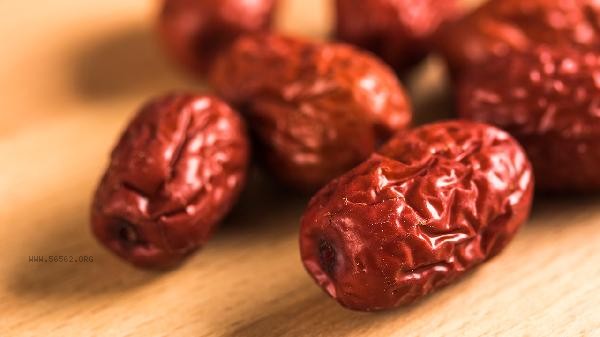
Red dates with proper drying process are more resistant to storage due to sufficient dehydration, and hard texture often means high sugar content. Sweetness release of such red dates is more obvious after cooking Congee or soaking in water. The traditional drying method can cause the skin of red dates to shrink and harden, which is a normal physical change. Some varieties, such as Ruoqiang jujube, have a harder texture. If it is too hard to bite, it may have been stored for too long, and it is necessary to check whether it has been affected by moisture and dried again. Some vendors use sulfur fumigation or adding preservatives to keep red dates dry. These red dates have an unusually hard texture and a shiny surface, which may have a pungent chemical odor. Improper storage can cause moldy red dates to become hard and bitter, with visible internal browning or white mycelium upon opening. When purchasing, avoid choosing hard red dates that are dark in color and have a sour taste.
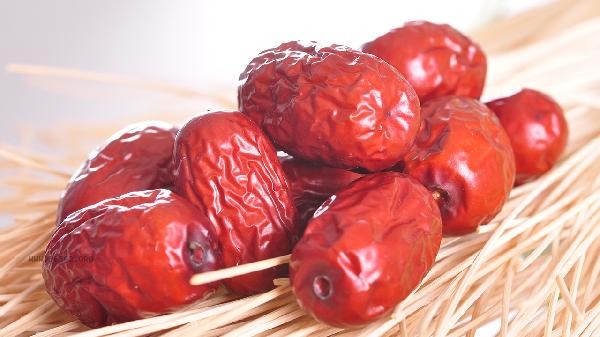
It is recommended to soak or steam hard red dates in advance to soften them for daily consumption, in order to avoid direct chewing and damage to teeth. Sealed and moisture-proof during storage can maintain moderate hardness, and regular inspections should be conducted for insect infestation. If red dates are found to be abnormally hard, accompanied by a strange odor and discoloration, they should be stopped from consumption. Stewed with ingredients such as Tremella fuciformis and Goji berries can soften the texture and enhance its nutritional value.








Comments (0)
Leave a Comment
No comments yet
Be the first to share your thoughts!