
The water turning red after boiling edamame is usually related to the natural pigments and oxidation reactions in edamame, which is a normal phenomenon. The main reasons include the precipitation of anthocyanins when exposed to heat, oxidation reactions during iron pot cooking, impact on water quality acidity and alkalinity, differences in edamame varieties, and prolonged storage time.
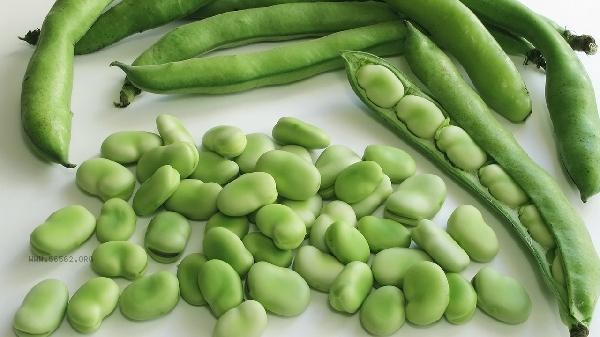
1. Anthocyanins: When exposed to heat [SEP], the skin of edamame contains anthocyanins. When cooked at high temperatures, the cell structure is damaged and the pigments dissolve in water. Anthocyanins appear red in weakly acidic environments. If the water used to cook beans is acidic or contains trace amounts of metal ions, it will enhance the color rendering effect. This type of discoloration does not affect food safety, but rather indicates that the freshness of edamame is relatively high.
2. Iron pot oxidation
When cooked in an iron pot, tannins in edamame combine with iron ions to form iron tannate, resulting in a reddish brown solution. This complex is stable and non-toxic, but it may affect the taste of edamame. It is recommended to use stainless steel pots or clay pots for cooking to avoid such color reactions.
3. Water Quality Impact
Alkaline water quality can promote the oxidation and polymerization of phenolic substances in edamame, forming reddish brown products. Hard water in northern regions contains more calcium and magnesium ions, making it more prone to such reactions. A small amount of white vinegar or lemon juice can be added to water to adjust the acidity and maintain a clear and bright color of the soup.
4. Variety characteristics
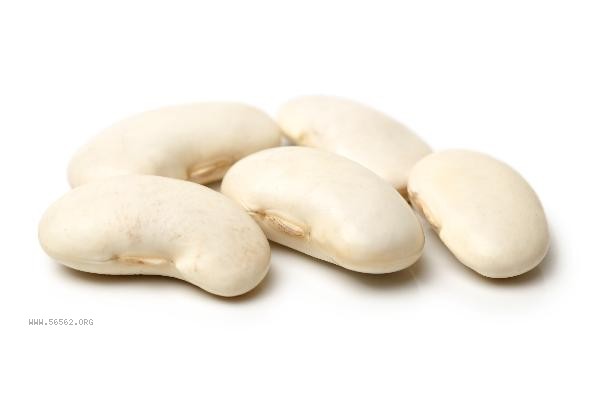
Special varieties such as purple pod edamame contain higher concentrations of anthocyanins, and the fading phenomenon is more pronounced after cooking. This type of variety is often used in the development of specialty agricultural products, and its red pigment has antioxidant properties. If ordinary green beans appear light red, it is often related to the mineral content in the planting soil.
5. Storage factors
Prolonged storage of edamame cells increases membrane permeability, making it easier for intracellular substances to seep out during cooking. Low temperature freezing may cause ice crystals to damage cell structure and accelerate pigment dissolution. It is recommended to choose fresh edamame with fresh green pods and plump beans. Soaking them in salt water before cooking can reduce discoloration. In most cases, there is no need to worry about edamame turning red when boiled. This can be improved by changing the cooking utensils, adjusting the water quality, or shortening the cooking time. If there is an abnormal odor or the beans are soft and rotten, they may spoil and need to be discarded. For daily consumption, it is recommended to choose fresh edamame from the current season. Blanching them quickly and then supercooling them can better maintain their color. Cooking them with ginger slices or fragrant leaves can not only enhance their freshness but also inhibit oxidative reactions. Attention should be paid to the high purine content in edamame, and gout patients should control their intake.








Comments (0)
Leave a Comment
No comments yet
Be the first to share your thoughts!