
The bitterness of lemon peel is mainly related to factors such as lemon variety, the content of bitter substances in the peel, and improper picking or storage before maturity. Bitter substances mainly include natural ingredients such as limonin and naringin, which are usually harmless to the human body but affect the taste.
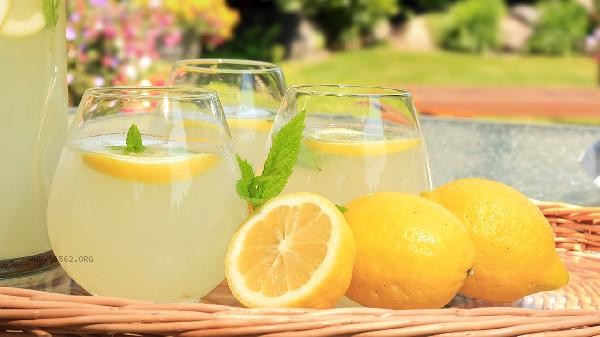
1. Variety Differences
Some lemon varieties, such as Yulike lemon, have thicker skin and higher content of bitter substances. These varieties naturally synthesize more limonoid compounds during their growth process, especially enriched in the skin and white flesh. The difference in bitterness threshold among different varieties can reach several times, and choosing thin skinned varieties can reduce the bitterness experience.
2. Immature picking
The naringin content in lemon peel harvested too early can be more than three times that of mature fruit. This type of lemon has a dark green skin and a hard texture, and its bitter precursor substances have not been fully converted. Early harvesting to extend shelf life during commercial transportation is a common cause of bitterness in commercially available lemons.
3. Improper storage conditions
Low temperature refrigeration can inhibit the activity of limonin degrading enzymes, leading to the accumulation of bitter substances. When the storage temperature is below 8 degrees Celsius, the permeability of the skin cell membrane changes, and bitter components are more likely to seep out. Long term exposure to dry environments can also oxidize fruit sebum, producing bitter substances similar to quinine.
4. Effect of edible parts
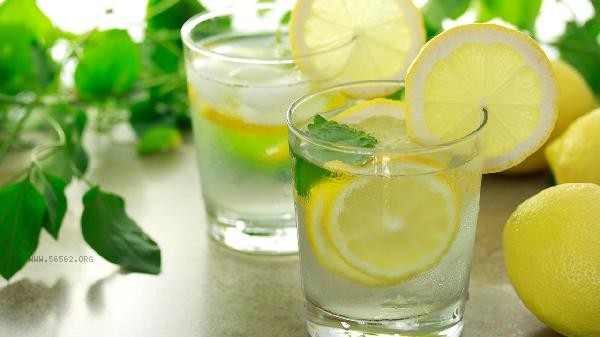
The outer oil cell layer of lemon peel contains aromatic essential oil, while the inner white pulp contains more than 80% of bitter substances. Retaining too much white sponge layer during peeling or excessively squeezing the peel during juicing can cause a large amount of naringin to dissolve. Professional cuisine usually only uses the yellow part of the skin.
5. Planting factors
Drought stress or excessive nitrogen fertilizer can stimulate lemon trees to produce defensive bitter substances. When the soil lacks potassium, lemon peel will thicken and accumulate more phenolic compounds. Organic grown lemons do not use chemical ripening agents, resulting in a more complete metabolism of bitter substances and potentially lower actual bitterness.
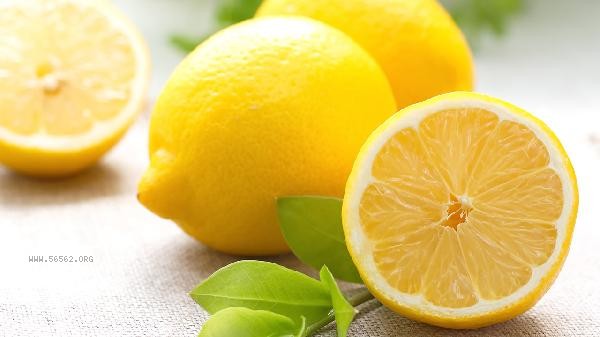
For lemon peels with obvious bitterness, the surface wax can be removed by scrubbing with salt water first, and then quickly blanched in boiling water for 10 seconds to destroy the bitterness enzyme. When making drinks, it is recommended to only use the peeled yellow skin and avoid the white medulla. Marinating lemon peel with sugar for 48 hours or drying it in the sun and then baking it at low temperature can effectively reduce bitterness. Daily storage should be placed in a cool and ventilated place, avoiding contact with other strongly scented foods. If brown spots or mold are found on the skin, it is not advisable to continue using it.








Comments (0)
Leave a Comment
No comments yet
Be the first to share your thoughts!