
The long-term preservation of fruits is usually related to factors such as variety characteristics, storage conditions, and anti-corrosion treatment. Mainly due to reasons such as storage resistance, low temperature environment, modified atmosphere packaging, surface coating treatment, and use of preservatives.
1. Storage resistant varieties
Some fruits, such as apples and pears, have thick skin and dense tissue structure, which can effectively reduce water loss and microbial invasion. The cell walls of these fruits contain a high amount of lignin and stratum corneum, resulting in a slower respiration rate and a longer natural shelf life. The peel of citrus fruits contains natural antibacterial ingredients, which can also delay the decay process.
2. Low temperature environment
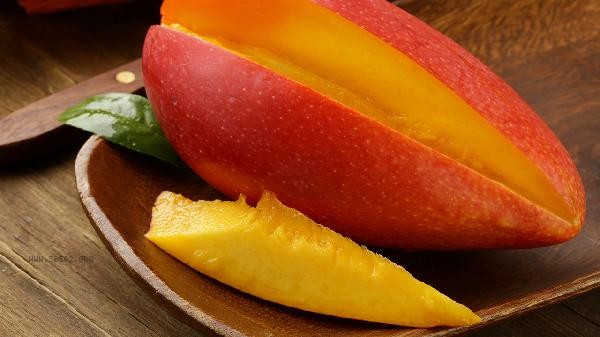
Low temperature can significantly inhibit fruit respiration and enzyme activity, slow down metabolic rate. Microbial growth rate decreases and ethylene gas generation decreases in refrigerated environments. Most fruits can be stored for several times longer at 4-8 degrees Celsius, but tropical fruits such as bananas and mangoes are not tolerant to low temperatures and need to be treated differently.
3. Modified Atmosphere Packaging
creates a low oxygen environment by adjusting the ratio of oxygen, carbon dioxide, and nitrogen inside the packaging to inhibit aerobic respiration. Commonly seen in supermarket pre cut fruit packaging, combined with breathable film to control gas exchange. This method can extend the shelf life of perishable fruits such as strawberries by 3-5 days while maintaining good appearance and taste.
4. Surface coating
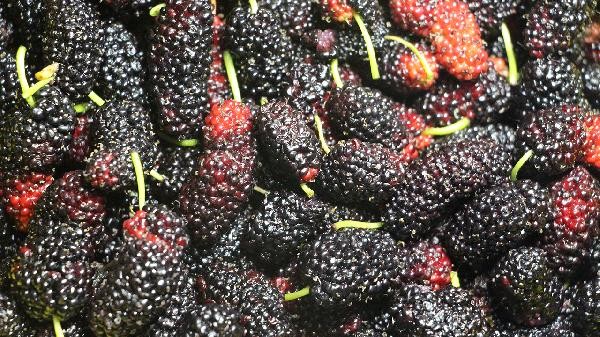
Natural coatings such as edible beeswax and chitosan can form a protective film on the surface of fruits, reducing water evaporation and oxygen contact. After waxing, citrus fruits have improved glossiness and reduced weight loss rate. Some coatings contain antibacterial ingredients that can inhibit the growth of common pathogenic microorganisms such as Penicillium.
5. Preservative Treatment
Compliant use of food grade fungicides such as sulfur dioxide and potassium sorbate can inhibit the growth of mold and yeast. This type of treatment is commonly used in the pre-treatment process of dried fruits and juice raw materials, and the residual amount needs to be strictly controlled. Some fruits are treated with 1-methylcyclopropene after harvesting, which can block ethylene receptors and delay ripening.
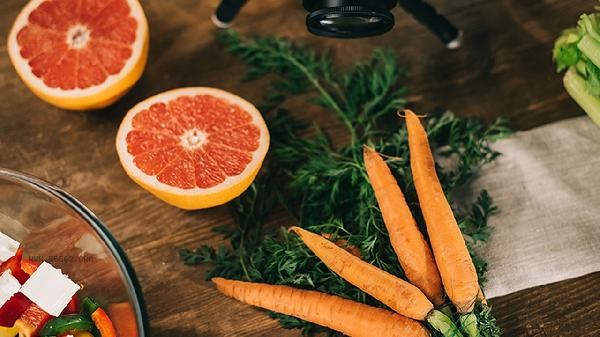
It is recommended to choose seasonal local products when purchasing fruits in daily life to reduce the need for preservation treatment caused by long-distance transportation. When storing, pay attention to the special temperature and humidity requirements of different fruits. Berries should be kept dry and ventilated, while stone fruits can be wrapped in plastic wrap and refrigerated. Rinse thoroughly with running water before consumption and remove any surface treatment agents that may be present. For fruits with abnormally bright surfaces or those that do not rot after prolonged storage, it is necessary to be alert to the possibility of illegal additives. It is recommended to choose products with legitimate channels and testing reports.








Comments (0)
Leave a Comment
No comments yet
Be the first to share your thoughts!