
The inability to beat cream may be related to factors such as high temperature, insufficient fat content, improper beating tools, too fast beating speed, and insufficient freshness of the cream.
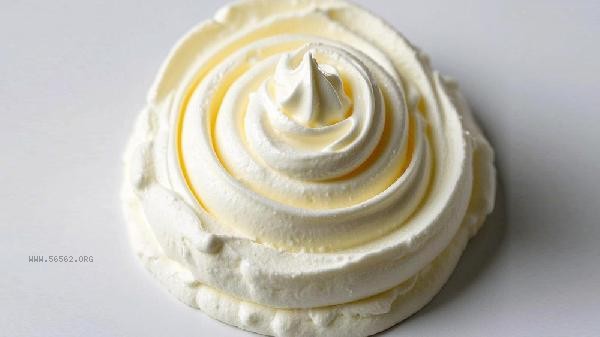
1. High temperature
Cream whipping requires a low temperature environment, and high temperature can cause the fat in the cream to not fully solidify. When the room temperature is high in summer, the cream tends to become soft, and it is difficult to form a stable foam structure. It is recommended to refrigerate the cream in advance. When whipping, the container and mixer can be refrigerated together to cool down, or ice water can be used during the whipping process.
2. Insufficient fat content
The fat content of butter directly affects the beating effect, usually requiring a fat content of over 30% to successfully beat. Using low-fat cream or adding too much milk can reduce the fat percentage, resulting in a thin texture after whipping. When making a purchase, pay attention to the packaging label and choose animal based whipped cream specifically for whipping.
3. Improper whisking tools
Insufficient power of the electric mixer or uneven manual stirring force can affect the efficiency of whisking. Plastic containers are prone to static electricity and can adsorb grease. It is recommended to use metal pots or glass bowls. Egg beaters should be kept clean and dry, as residual moisture or oil can damage the emulsified state of the cream.
4. Whipping speed too fast
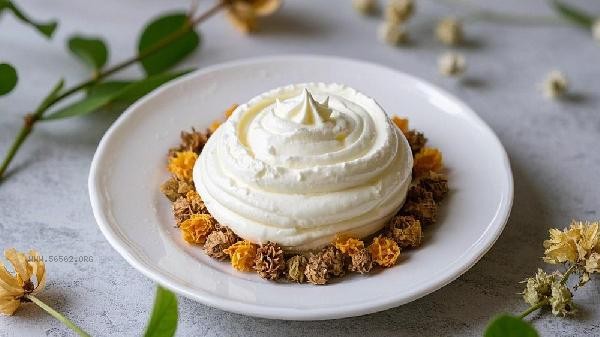
High speed stirring in the early stage can cause the cream to splash rather than fully emulsify. The cream should be whipped at low speed until it becomes thick and then gradually accelerated. Excessive whipping can cause the separation of fat and water, resulting in tofu like texture that cannot be remedied. Stop immediately when clear lines appear on the cream and sharp corners can be pulled out.
5. Insufficient freshness of cream
Cream approaching its shelf life may experience a decrease in whipping performance due to fat oxidation. Cream that has been refrigerated for more than three days after opening may have developed bacteria, affecting stability. Pay attention to the production date when purchasing. Unopened cream can be stored at 0-4 ℃, while opened cream should be sealed and used within 72 hours.
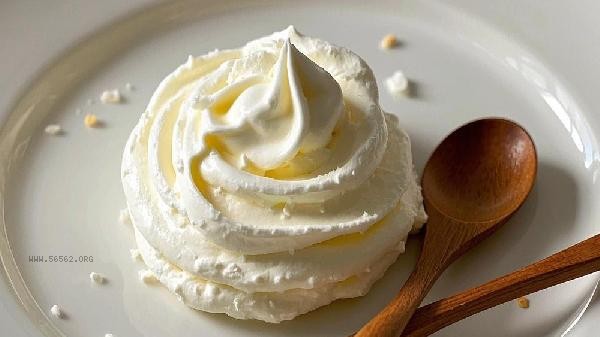
If the cream cannot be whipped after several attempts, check whether there are quality problems with the cream itself, or try to add a small amount of powdered sugar to help stabilize the foam. Failed whipped cream can be used as cooking ingredients, such as making thick soups, sauces, or baked goods. Avoid temperature fluctuations when storing butter in daily life, shake the packaging well before use to ensure even fat distribution. For lactose intolerant individuals, plant-based alternatives such as coconut milk or soy milk cream can be chosen, but it should be noted that their whipping properties differ from animal cream.








Comments (0)
Leave a Comment
No comments yet
Be the first to share your thoughts!