
Sweating profusely on the treadmill wrapped in cling film, there are always people in their social media who show off sticky "achievements", as if that layer of plastic film is the nemesis of fat. But when you tear off the damp plastic wrap, do you really lose the fat? The truth may be even more transparent than plastic wrap - those that flow down the legs are just water expelled by the body to cool down, and have nothing to do with fat burning.
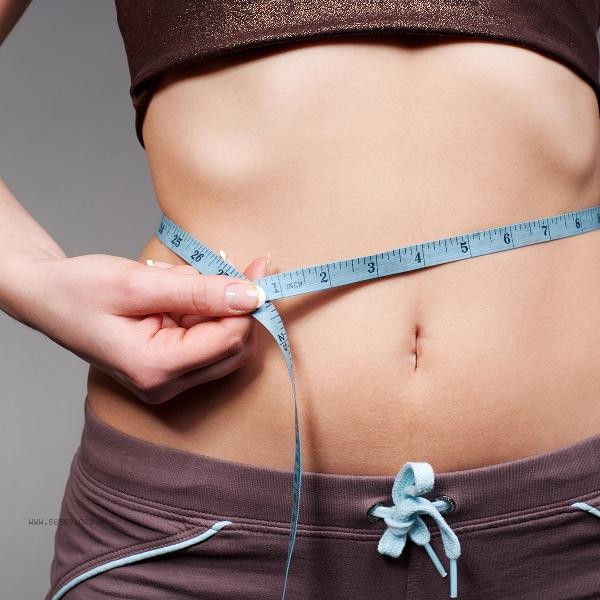
1. Three misconceptions about weight loss with cling film
1. Sweat volume ≠ fat consumption
Sweat contains 99% water and the remaining 1% electrolytes such as sodium and potassium. Wrapping plastic wrap during exercise can indeed increase local temperature and encourage sweat glands to work overtime, but the reduced numbers on the weight scale will bounce back after drinking two glasses of water. Fat breakdown produces carbon dioxide and water, of which 84% are excreted through respiration and only 16% become bodily fluids.
2. High temperature ≠ Metabolic enhancement
An increase in skin surface temperature accelerates water evaporation, but when the core body temperature exceeds 38 ℃, the body will instead activate protective mechanisms to reduce metabolic efficiency. Just like how overheating a mobile phone can reduce frequency, the human body's ability to burn fat continuously in high-temperature environments may be lower than normal.
3. Local sweating ≠ Local weight loss
Fat consumption is systemic and there is no such thing as "point and hit" Strange effect. Running with plastic wrap wrapped around the thighs, it may be the cheeks that lose weight first. The plastic wrap waistbands that claim to slim the waist and abdomen are at best temporarily squeezing the visceral space.
2. Neglected potential risks
1. Damage to the skin barrier
The humid environment formed by the isolation of air by plastic film is like a culture dish for bacteria. Long term stimulation of salt in sweat may cause folliculitis, and sensitive muscles may also develop contact dermatitis. Repeated friction during tearing and pulling can damage the stratum corneum, leaving it riddled with holes.
2. Electrolyte imbalance
Excessive sweating takes away key electrolytes such as sodium and potassium, which can cause muscle spasms and fatigue in mild cases, and hyponatremia in severe cases. A fitness enthusiast was once sent to the hospital for emergency treatment due to excessive pursuit of the "sweating" effect, resulting in nausea and vomiting.
3. Increased cardiovascular burden
Heart rate increases by 10-20 beats per minute in high temperature environments compared to normal exercise. For people with weaker cardiovascular function, this additional burden may induce arrhythmia. Especially during indoor sports in winter, when enclosed spaces are wrapped in plastic wrap, the risk factor increases sharply.
III. The Golden Rule of Scientific Weight Loss
1. Create a reasonable calorie gap
Daily intake of 300-500 calories less than consumption is the safest, equivalent to eating half a bowl of rice less or walking 8000 steps more. Extreme dieting can activate the body's' hunger mode ', automatically reducing the basal metabolic rate.
2. Choose composite exercises
such as Poppy jumping and mountain running, which involve full body participation and have a much higher fat burning efficiency than local exercises. Interspersing a 30 second high-intensity interval during exercise can allow the body to sustain oxygen consumption for 24 hours after completion.
3. Emphasize muscle building
For every 1 kilogram of muscle gain, the resting metabolic rate increases by 70 calories per day. The muscles shaped by resistance training such as squats and hard pulls are the never-ending fat burning engines. Tear off those self deceiving plastic films, fat won't evaporate with sweat. True body management doesn't require performance art. When you can climb five floors without panting, it's worth showing off more than any leg wrapped in plastic wrap. Starting tomorrow, communicate with the body in a scientific way, and it will respond to you in a better state.








Comments (0)
Leave a Comment
No comments yet
Be the first to share your thoughts!