
There is no absolutely safe folk identification method for poisonous mushrooms. The only correct way to identify them is to rely on professional institutions for testing or be identified by mycology experts. Eating poisonous mushrooms by mistake may cause liver damage, neurotoxicity, and even death. Do not trust non scientific methods such as color and shape. The toxicity of wild mushrooms cannot be accurately determined through traditional experience. Some poisonous mushrooms have a highly similar appearance to edible mushrooms, and cannot be distinguished solely by observing the color of the mushroom cap, gill morphology, or growth environment. For example, some species of the highly toxic Amanita genus have a similar appearance to edible chicken oil mushrooms, while the deadly Amanita has only microscopic differences from ordinary white mushrooms. The folk methods of blackening silver needles and changing garlic color lack scientific basis, and some highly toxic mushrooms even have a sweet aroma.
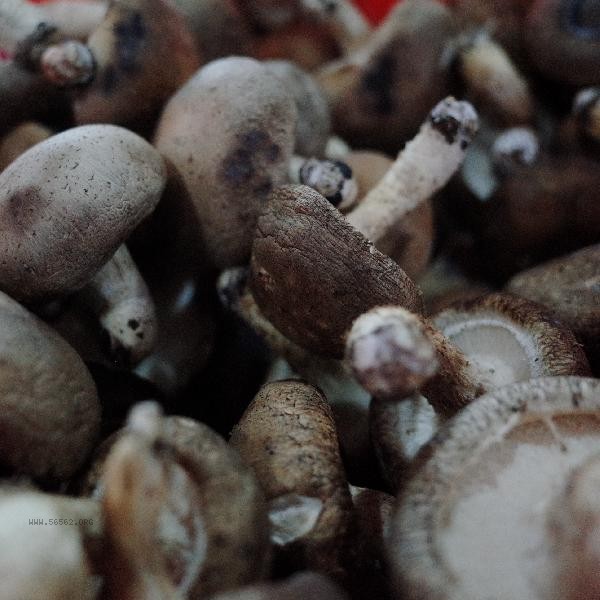
A small number of edible wild mushrooms need to be harvested at specific growth stages, but non professionals find it difficult to grasp the timing. For example, when the morel mushroom is immature, it contains toxins, and after maturity, it needs to be cooked at high temperatures before consumption. Some regional edible varieties may have toxic relatives in other regions, posing a high risk of cross regional harvesting. Even long-term pickers may misjudge due to environmental changes or individual differences.
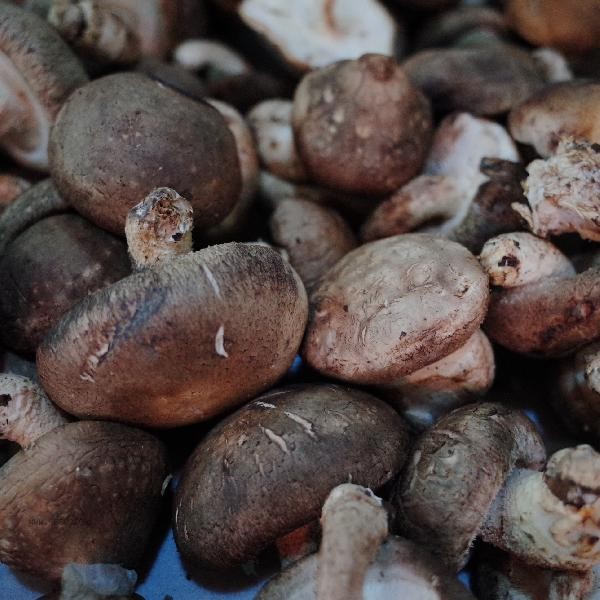
It is recommended to completely avoid picking and consuming wild mushrooms, and it is safer to purchase commercially grown edible mushrooms. If you experience symptoms such as vomiting and dizziness after ingesting poisonous mushrooms, you must immediately bring the remaining samples to seek medical attention. Do not induce vomiting or take folk remedies on your own. Daily diet should choose common varieties such as shiitake mushrooms and shiitake mushrooms sold through regular channels in supermarkets. Before cooking, pay attention to checking for mold or odors.








Comments (0)
Leave a Comment
No comments yet
Be the first to share your thoughts!