
Weight loss and constipation can be improved through adjusting dietary structure, increasing dietary fiber intake, moderate exercise, regular sleep, medication assistance, and other methods. Weight loss constipation is usually caused by changes in dietary structure, insufficient water intake, slow intestinal peristalsis, imbalanced gut microbiota, medication side effects, and other reasons.
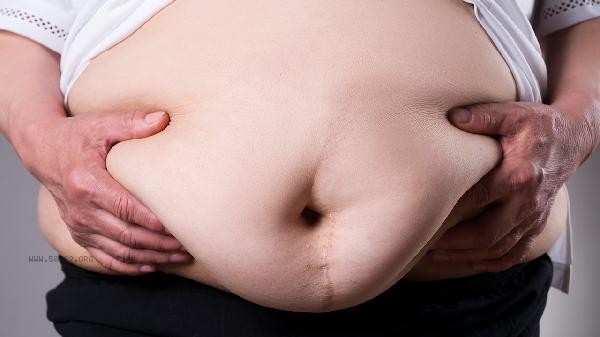
1. Adjusting dietary structure
During weight loss, excessive restriction of fat and carbohydrates may lead to insufficient intestinal lubrication. It is recommended to consume a small amount of nuts or olive oil daily. Sudden reduction in food intake can lead to insufficient intestinal contents, making it difficult to effectively stimulate intestinal peristalsis. Therefore, it is recommended to eat small meals frequently. Long term high protein and low-carbon water diet can easily cause intestinal microbiota disorders, so it is recommended to increase whole grain intake in moderation 2-3 days a week.
2. Increase dietary fiber
It is recommended to ensure 20-30 grams of dietary fiber per day. It is recommended to eat oatmeal with chia seeds for breakfast and choose cruciferous vegetables such as broccoli for lunch. Dragon fruit and kiwi fruit are rich in water-soluble fiber in fruits, which can promote the softening of feces. It should be noted that fiber intake should be gradual, as sudden and excessive supplementation may worsen bloating.
3. Moderate exercise
Doing 30 minutes of aerobic exercise such as brisk walking or swimming every day can promote colon peristalsis by changing body position. Half an hour after a meal, perform a clockwise abdominal massage, starting from the lower right abdomen and pushing along the colon. Twisting postures in yoga, such as the Half Fish King pose, can stimulate the intestinal nerve plexus. It is recommended to practice three times a week.
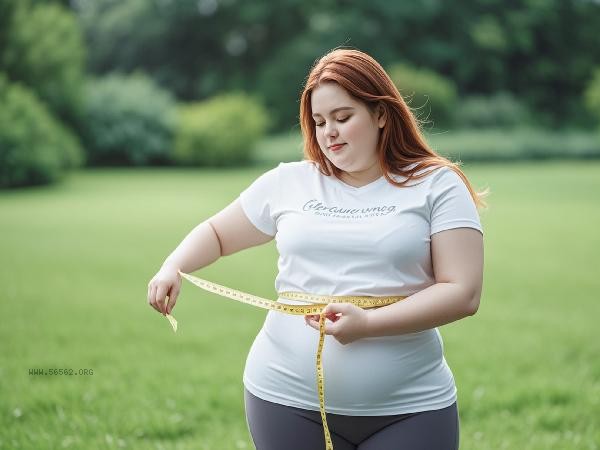
4. Establish a regular bowel movement schedule and drink warm water in the morning to stimulate the gastrocolic reflex. Avoid deliberately suppressing the urge to use the toilet, and limit the time spent using the toilet to within 5 minutes each time. Ensure at least 7 hours of sleep, as insufficient sleep can affect the autonomic nervous system's ability to regulate the intestines.
5. Medication assisted
lactulose oral solution can soften feces through permeation, and polyethylene glycol 4000 powder can increase fecal moisture content. Bifidobacterium triple active capsules can regulate the balance of intestinal microbiota, while Bacillus subtilis double active granules are suitable for antibiotic related constipation. Short term constipation can be treated with glycerin, but continuous use should not exceed 3 days.
It is recommended to drink 2000 milliliters of warm water daily during weight loss, and a small amount of lemon juice can be added to the water to stimulate intestinal peristalsis. Avoid excessive reliance on stimulating laxatives such as laxatives, as long-term use may lead to colonic melanosis. Perform pelvic floor muscle training twice a week and use Kegel exercises to improve bowel coordination. If constipation persists for more than 2 weeks after adjusting lifestyle, or symptoms such as bloody stools and sudden weight loss occur, timely medical attention should be sought to rule out organic diseases. During the weight loss process, attention should be paid to maintaining a balance of the three major nutrients. Extreme dieting not only leads to constipation, but may also cause health problems such as menstrual disorders and hair loss.









Comments (0)
Leave a Comment
No comments yet
Be the first to share your thoughts!