
When purchasing pork, it is recommended to choose fresh meat with a bright red color, firm flesh, and even fat distribution. The main characteristics to observe are the elasticity of the meat, normal odor, no mucus on the surface, and clear quarantine seals.
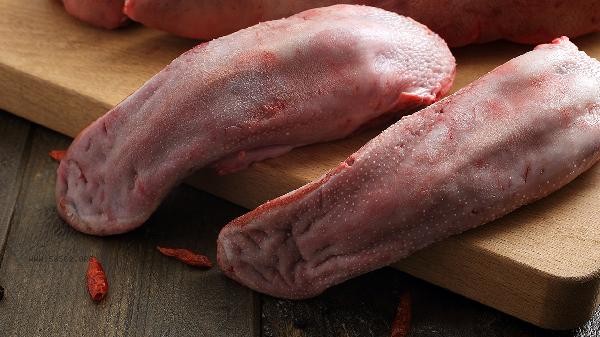
1. Observe the color.
Fresh pork appears as a uniform light red or bright red color, with the fat portion being milky white or light pink. The color of spoiled meat appears dark or grayish green, and the fat part may turn yellow. The surface of the water injected meat is moist and shiny, the muscle tissue is soft, and the depression recovers slowly after pressing. When purchasing, natural light can be used for observation to avoid misjudgment under strong warm light.
2. Check elasticity
Gently press the meat chunks with your fingers, high-quality pork can immediately rebound without leaving any marks. The meat that has been stored for too long is loose, and the depression persists after pressing. When touched, the surface should be slightly dry and not sticky to the hand, as spoiled meat will produce obvious mucus. Be careful not to choose pork that has been frozen and then thawed, as its cell structure has been damaged and its elasticity will significantly decrease.
III. Distinguishing Odor
Fresh pork has a slight fishy smell but no odor, while spoiled meat may emit a sour or putrid odor. Tear open one corner of the packaging and smell it. If wrapped in plastic wrap, observe for any abnormal moisture between the meat and the film. Some vendors may use spices to mask odors, so it is necessary to carefully distinguish whether the basic meat flavor is normal.
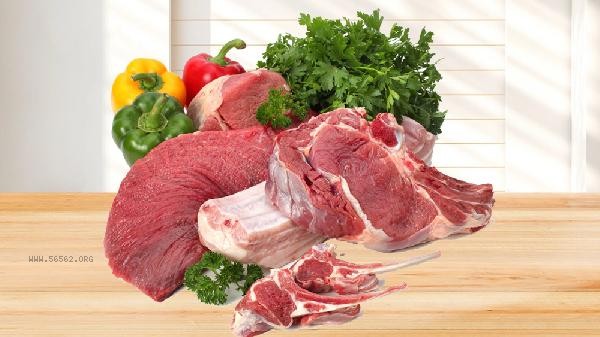
Fourthly, pork sold through legitimate channels should have a blue quarantine inspection seal, and the seal information should be clear and recognizable. When purchasing, you can request to see the animal product quarantine certificate to avoid purchasing illegally slaughtered meat from unlicensed vendors. Imported pork requires an entry inspection and quarantine certificate, and the packaging should have Chinese labels indicating the production date and shelf life.
Fifth, choose the part
Different cooking methods are suitable for different parts: pork tenderloin is suitable for quick stir frying, pork belly is suitable for braised, and front leg meat with ground filling is better. Pay attention to muscle texture when purchasing. Normally raised pork has delicate muscle fibers, while dead pork may have bruising or abnormally coarse texture. Organic pork will have obvious certification marks, but attention should be paid to distinguishing authenticity.
It is recommended to choose large supermarkets or regular farmers' markets for daily pork purchases, and keep shopping vouchers for easier rights protection. Frozen pork should be selected from products with fewer ice crystals and intact packaging, and should be cooked promptly after thawing. After processing raw meat, thoroughly clean the knives and cutting board, and ensure that the center temperature reaches 70 degrees Celsius or above during cooking. Special populations such as pregnant women and infants should choose branded meat products with strict quarantine measures to reduce the risk of foodborne diseases. Reasonable combination of vegetables and fruits can not only increase the absorption rate of iron elements, but also balance the intake of fatty acids.








Comments (0)
Leave a Comment
No comments yet
Be the first to share your thoughts!