
The whipped cream needs to be refrigerated and stirred at low speed until patterns appear. The main methods include manual whipping, electric whipping, and adding stabilizers.
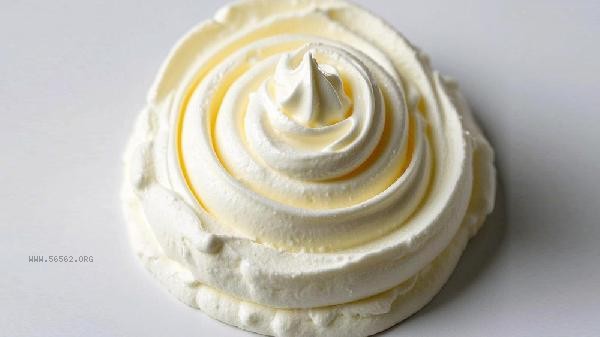
1. Manual whipping
Use an egg beater to stir the chilled light cream clockwise and uniformly. Place ice water at the bottom of the container to delay melting. When the volume of the cream expands to twice its original volume and the whisk can pull out short and sharp corners, it stops. This method is suitable for small-scale production, but it is important to note that the ambient temperature should not be too high, as excessive stirring can cause oil-water separation.
2. Electric whisk
Refrigerate the light cream for 12 hours and pour it into a deep mouthed container. Adjust the electric whisk to medium low speed and stir intermittently. Add powdered sugar when large bubbles appear in the initial stage, and adjust the state at low speed after the texture thickens. Electric spinning has a high efficiency, but observation needs to be paused every 10 seconds to prevent excessive spinning from forming a grainy sensation.
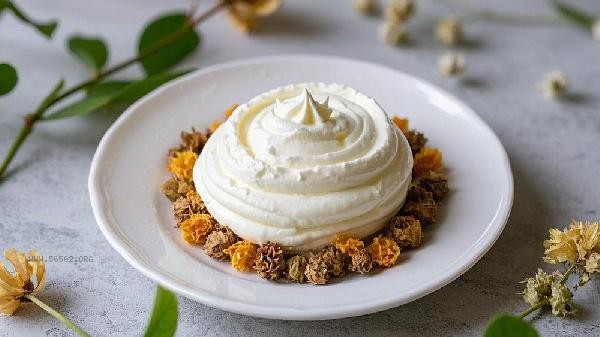
3. Adding stabilizers
Adding gelatin powder or mascarpone cheese to light cream can enhance stability. Jili Ding needs to be soaked in ice water first, then melted over water, and mixed with cream when the temperature drops below 30 degrees Celsius. This method is suitable for scenes that require long-term shaping such as piping, and the addition ratio should be controlled within 1% of the weight of the cream. The whipped cream should be refrigerated and used up within 4 hours to avoid repeated freezing and thawing. Choosing animal based cream with a milk fat content of 30% -36% is more likely to be successful, and can be operated in air-conditioned rooms during the summer. If there is oil-water separation, add a small amount of whipped cream and stir again. If it is excessively whipped, mix in an appropriate amount of milk to adjust the texture. Before production, ensure that all tools are clean and oil-free. It is recommended to use fine sugar to grind the sugar powder to avoid crystallization affecting the taste.








Comments (0)
Leave a Comment
No comments yet
Be the first to share your thoughts!