
The main methods for steaming steamed buns and making dough include controlling the water temperature, controlling the amount of yeast, adding water in batches, maintaining a suitable fermentation environment, and adjusting the kneading time.
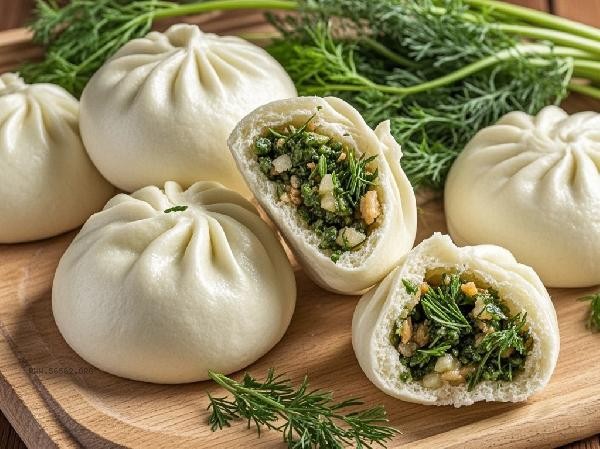
1. Control the water temperature
and the temperature of the dough directly affects yeast activity. It is recommended to dissolve yeast in water at around 35 degrees Celsius. High water temperature can kill yeast and cause fermentation failure, while low water temperature can slow down the fermentation rate. In winter, the water temperature can be appropriately raised to 40 degrees Celsius, and in summer, room temperature water can be used. When dissolving yeast, a small amount of white sugar can be added to help activate it, but direct contact with salt should be avoided.
2. Master the yeast dosage
About 5 grams of dry yeast are needed for every 500 grams of flour. Too much can cause the dough to produce too much gas and collapse, while too little can prolong the fermentation time. Before use, check whether the yeast is expired. The fresh yeast can stand with warm water for 5 minutes to observe whether there is foam. If using old flour for fermentation, it is necessary to mix it with new flour in a ratio of 1:3 and pay attention to adjusting the acidity and alkalinity.
3. Add water in batches
Flour has different water absorption properties. It is recommended to first add 70% water and stir it into a flocculent shape, and then gradually add according to the softness and hardness of the dough. The ideal dough should achieve a three light state: hand light, pot light, and face light. Too much water can make the dough sticky and difficult to handle, while too little can cause the bun skin to become dry and hard. Water usage can be adjusted in different seasons, reducing water usage by 10% in humid weather.

4. Maintain a suitable fermentation environment
The ideal fermentation temperature is 28-32 degrees Celsius, which can be covered with a damp cloth to prevent surface cracking. In winter, place the dough in a warm water pot to keep it warm, and in summer, avoid direct sunlight. To determine if the fermentation is in place, observe that the volume expands to twice its size and does not retract when poking a hole with your finger. During the second awakening, it is necessary to maintain humidity by boiling water in advance in the steamer to create a steam environment.
5. Adjust kneading time
The initial kneading time should be 10-15 minutes until the dough is smooth and elastic, promoting the formation of gluten. After fermentation, it is necessary to thoroughly rub and exhaust for about 5-8 minutes until there are no large pores when cut open. Before filling, the dough can be relaxed for 10 minutes to enhance its extensibility. When filling, pay attention to placing it with the mouth facing downwards. Before steaming, let the buns rise again for 15 minutes to make them more fluffy.
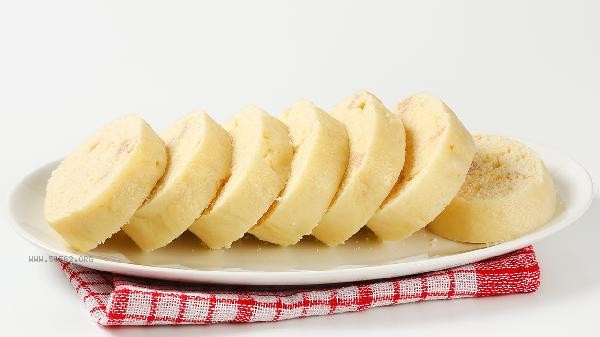
During the dough making process, it is important to choose high gluten flour as it is easier to form a gluten network and avoid fermentation at the tuyere, which can cause the skin to dry and harden. Steam as soon as possible after fermentation is complete to prevent excessive acid production. After the water in the steamer boils, put it in the basket and keep it on high heat with enough steam. After turning off the heat, let it simmer for 3 minutes before opening the lid to prevent it from shrinking. Pairing it with a mixture of coarse and fine grains and flour can enhance the nutritional value of the buns. In daily life, milk and noodles can be paired to increase calcium, or natural pigments such as pumpkin puree can be added to enrich the dietary structure.








Comments (0)
Leave a Comment
No comments yet
Be the first to share your thoughts!