
Softening of brown sugar can be achieved through methods such as heating, steam rehydration, microwave heating, fruit preservation, and sealed storage. Brown sugar clumps are usually caused by moisture or improper storage, and proper handling can restore their soft state.
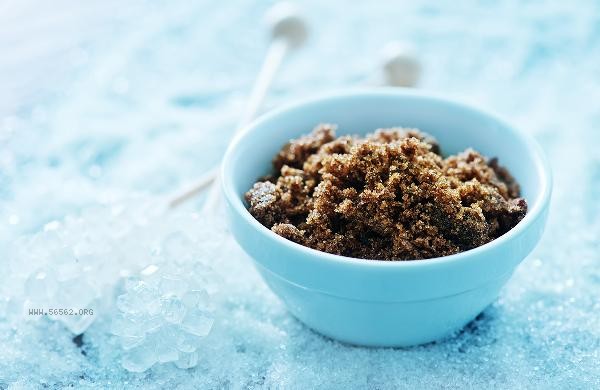
1. Heating method
Put the clumped brown sugar into a heat-resistant container and heat it with 50-60 degrees Celsius water for 10 minutes. The heat can redistribute the crystalline water in the sugar. During operation, it is necessary to control the water temperature to prevent sugar from melting. After heating, use a spoon to gently crush and disperse the sugar in a timely manner. This method is suitable for situations where there is slight clumping and rapid use is required.
2. Steam regain
Cover the surface of brown sugar with slightly damp kitchen paper and let it stand for 6-8 hours to allow water vapor to slowly penetrate. The steam method can maintain the original flavor of brown sugar, but it is important to pay attention to the humidity of the tissue to prevent mold growth. Processed brown sugar should be used as soon as possible to avoid secondary moisture and clumping.
3. Microwave softening
Fill brown sugar into a microwave specific bowl, spray a small amount of water on the surface, heat over medium heat for 15 seconds, and then check the condition. Microwaves can rapidly vibrate and dissociate sugar molecules, which can be softened by repeating 2-3 times. Close observation is required to prevent local coking, and stirring should be carried out promptly after each heating.
4. Fruit preservation
Place apple chunks or orange peels containing fruits and vegetables in a brown sugar container, seal and store for 24 hours. The ethylene gas and moisture released by fruits can gently soften sugar cubes while adding fruity aroma. This method is suitable for situations where there is no urgent need to use and long-term storage is required.
5. Seal and prevent moisture
Fill the processed brown sugar into a sealed container, while placing food desiccants or undercooked rice to absorb moisture. Keeping the storage environment at a temperature of 15-25 degrees Celsius and humidity below 60% can effectively prevent clumping. Glass jars are superior to plastic containers as they can better isolate water vapor infiltration.
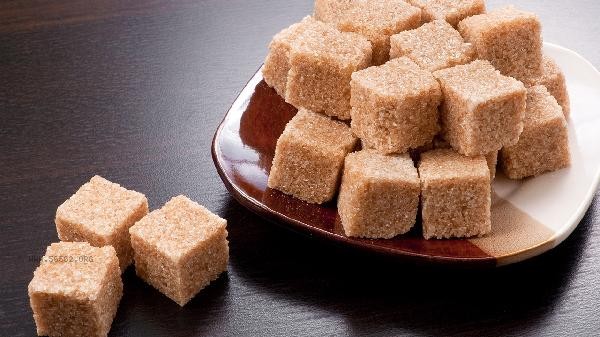
It is recommended to store brown sugar in a cool and dry place for daily use, and try to use it up within 3 months after opening. If the brown sugar has severely solidified or has mold spots, it is not suitable for consumption. Processed brown sugar can be used to make completely dissolved foods such as ginger tea and desserts, but should not be directly used for decorating pastries that require a granular texture. Regularly check the sealing of storage containers to avoid storing them together with perishable items such as seafood and pickled products. Silicone moisture-proof pads can be used to extend the shelf life.








Comments (0)
Leave a Comment
No comments yet
Be the first to share your thoughts!