
The production methods of wine mainly include raw material selection, fermentation treatment, pressing and filtering, aging and storage, bottling and sealing, and other steps.
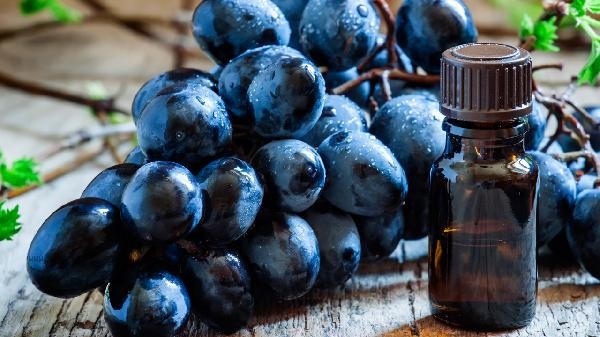
1. Raw Material Selection
When making wine, it is necessary to choose grapes with moderate maturity, preferably those with high sugar content and moderate acidity. Fresh grapes need to remove rotten or immature fruits to avoid affecting fermentation quality. Red wine is made from grapes with skins, while white wine needs to be fermented without skins. Grapes should be processed as soon as possible after harvesting to prevent oxidation and spoilage. The mixing ratio of different varieties will affect the final flavor.
2. Fermentation treatment
Put the broken grapes and skins into a fermentation container, add an appropriate amount of yeast to start fermentation. The fermentation temperature of red wine should be controlled at 25-30 degrees Celsius, while white wine requires a lower temperature. During the fermentation process, it is necessary to regularly stir and press the cap to ensure sufficient contact between the fruit peel and the juice. The main fermentation period generally lasts for 7-10 days, during which sugar conversion needs to be monitored. Fermentation containers should be kept clean and equipped with water seal devices.
3. Pressing and filtering
After the main fermentation is completed, press and separate the red wine gently to avoid extracting too much tannins. The pressed liquor needs to be filtered to remove fruit residue and sediment. Some white wines undergo secondary fermentation to reduce acidity. The filtered liquor should be tested for alcohol content and acidity, and adjustments should be made if necessary. This stage of operation needs to be carried out in a hygienic environment to prevent microbial contamination.
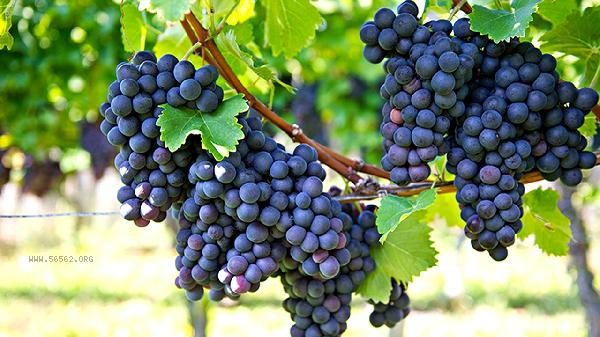
4. Aging and Storage
New wine needs to be aged in oak barrels or stainless steel tanks for a period ranging from several months to several years. The aging environment should maintain a constant temperature and humidity, with temperature changes not exceeding 5 degrees Celsius. Regularly pour the tank to separate and precipitate, and replenish the lost volatile liquor. Red wine can obtain more complex flavors by aging in oak barrels. Regular tasting is required during aging to determine the optimal bottling time.
5. Bottled and sealed
Aged wines need to be clarified and stabilized, and some wines will be filtered and sterilized. Before bottling, it is necessary to test the quality of the wine to ensure that there is no sediment or microbial contamination. Choosing dark glass bottles can reduce the impact of light on the quality of the wine. Cork or screw caps should be stored horizontally and kept moist after sealing. After bottling, it still requires a certain amount of time for bottle aging to make the flavor more blended.
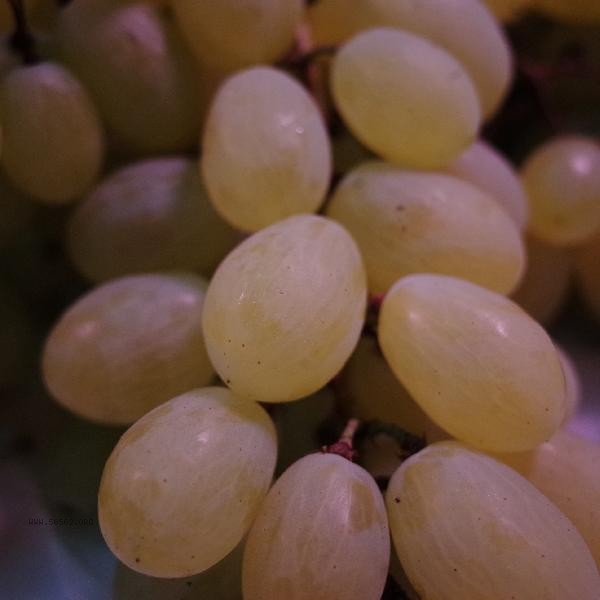
When making wine at home, special attention should be paid to instrument disinfection and temperature control to avoid bacterial contamination that may cause fermentation failure. It is recommended that first-time testers choose grape varieties with high maturity and control the fermentation time and temperature. During the production process, sulfur dioxide can be added appropriately to prevent oxidation, but attention should be paid to the amount used. The finished wine should be stored in a cool and dark place, and the quality of the wine should be checked regularly for changes. Professional brewing also needs to consider more complex process parameters such as acidity adjustment and tannin control.








Comments (0)
Leave a Comment
No comments yet
Be the first to share your thoughts!